홈MCP워크벤치Skills
홈워크벤치알림마이페이지
llms.txt · MCP 가이드개인정보처리방침 · 이용약관 · 지원v1.8.3
  1. 홈
  2. /반응

Hydroquinone → Durohydroquinone

HRID 380776
인쇄

반응식

HRID 380776 반응식
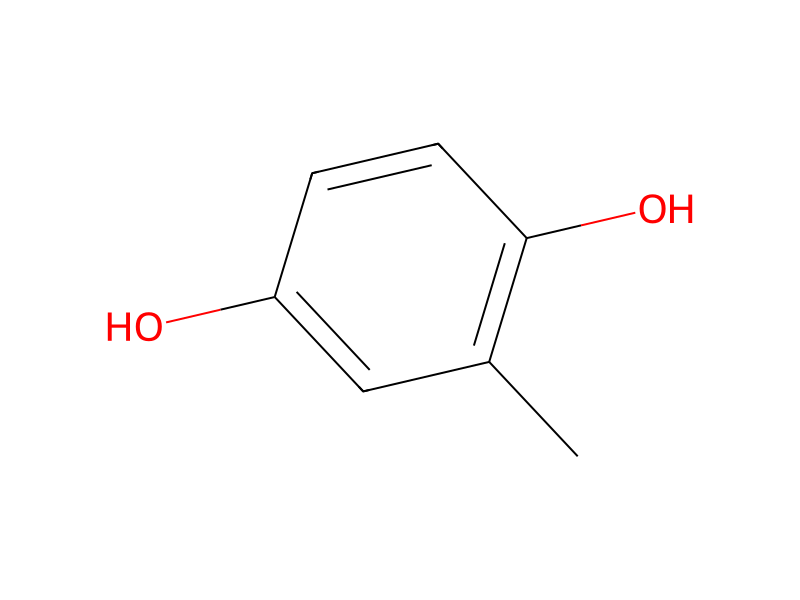
[C:1]1(C=CC(O)=CC=1)O.CC1C=C(O)C=CC=1O.CC1C(C)=C(C=CC=1O)O.[CH3:28][C:29]1[C:30]([OH:38])=[C:31]([CH3:37])[C:32]([CH3:36])=[C:33]([CH:35]=1)[OH:34]>[O-2].[O-2].[Mn+4].CO>[CH3:28][C:29]1[C:30]([OH:38])=[C:31]([CH3:37])[C:32]([CH3:36])=[C:33]([OH:34])[C:35]=1[CH3:1]
참가 물질실험 절차후처리출처 및 근거반응 노트

참가 물질

7

반응물 4

HCID 785Hydroquinone2회HCID 7253MethylhydroquinoneHCID 12785TrimethylhydroquinoneHCID 691002,3-Dimethylhydroquinone

생성물 1

HCID 136346Durohydroquinone

시약·촉매·용매 2

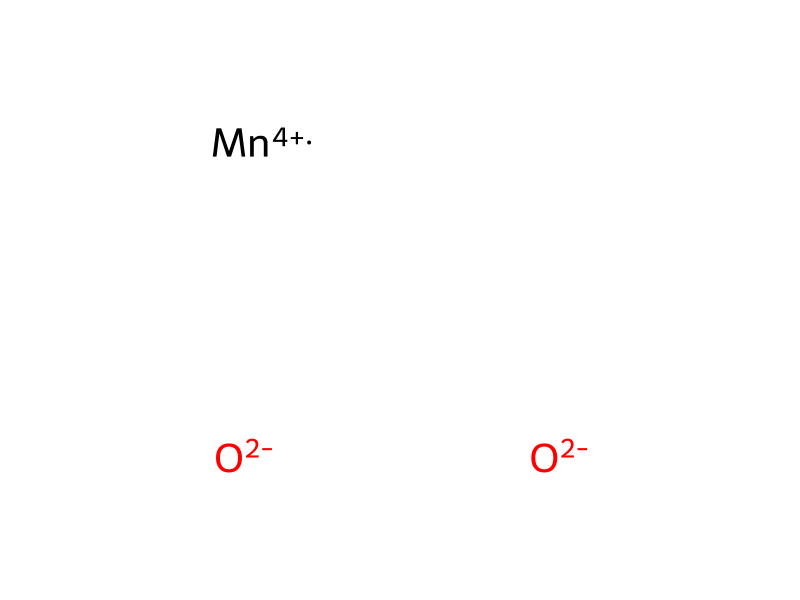
HCID 178418406HCID 178418406, 화합물촉매
HCID 887
Methanol
용매

실험 절차

Into an autoclave (inner volume: 9 ml, made of SUS 316, equipped with a manometer) were charged 0.105 g of hydroquinone (manufactured by Wako Pure Chemical Ind., Ltd.), 3.602 g of methanol and 1.3 mg of manganese dioxide (manufactured by High Purity Chemicals Co.). The reaction was started by elevating the temperature up to 350° C. with sand bath. The pressure during the reaction was 15 MPa. After 8 hours, the autoclave was quickly cooled and the reaction solution was taken out from the autoclave when the temperature was cooled back to the room temperature. The measurement according to the process described above revealed that the conversion of hydroquinone was 41% by mole, the selectivity of monomethylhydroquinone was 43% by mole, the selectivity of dimethylhydroquinone was 13% by mole and the selectivity of trimethylhydroquinone was 1% by mole. No tetramethylhydroquinone was produced.


후처리

  1. customequipped with a manometer)
  2. customup to 350° C.
  3. temperaturethe autoclave was quickly cooled

출처 및 근거

ORD 기록
ord-5abd543ba6784fc094a7622f13858cfe
출처 데이터셋
uspto-grants-2001_10
DOI
10.6084/m9.figshare.5104873.v1
특허 번호
US06303801B1

반응 노트

이 페이지에서참가 물질실험 절차후처리출처 및 근거반응 노트