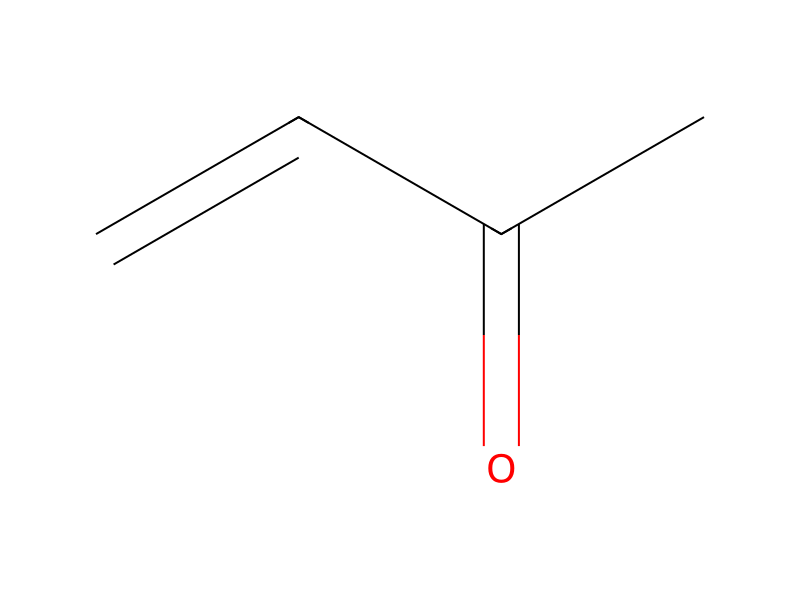
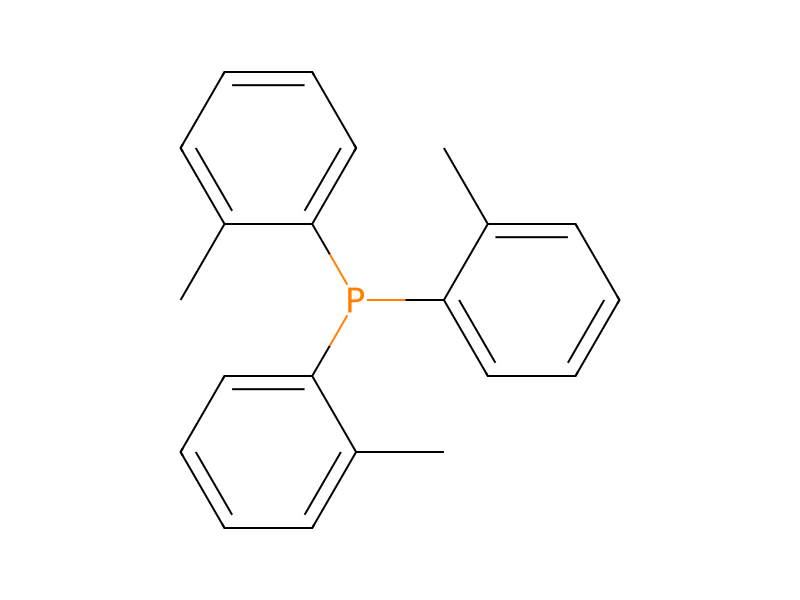
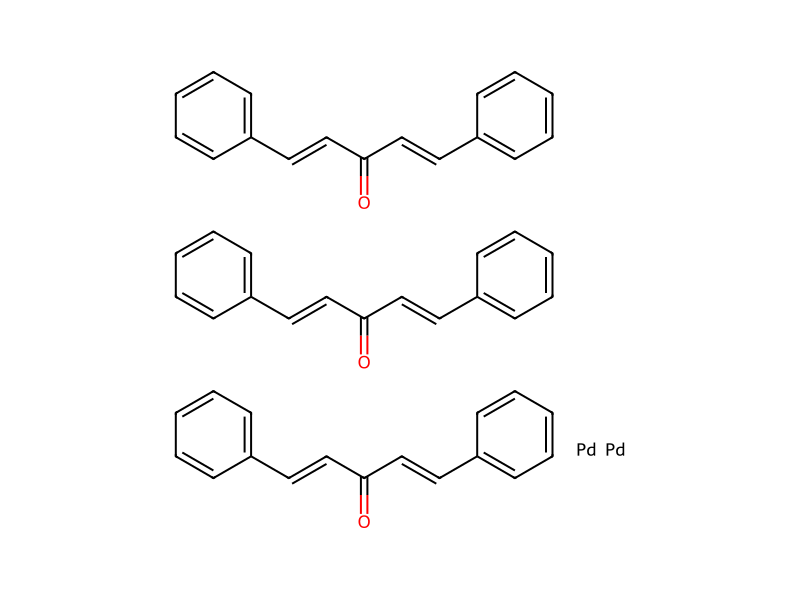
[CH2:1]([O:8][C:9]1[CH:14]=[CH:13][C:12](Br)=[CH:11][N:10]=1)[C:2]1[CH:7]=[CH:6][CH:5]=[CH:4][CH:3]=1.[CH3:16][C:17](=[O:20])[CH:18]=[CH2:19].C(N(CC)CC)C.C1(C)C=CC=CC=1P(C1C=CC=CC=1C)C1C=CC=CC=1C>CN(C=O)C.[Pd].[Pd].C(=CC(C=CC1C=CC=CC=1)=O)C1C=CC=CC=1.C(=CC(C=CC1C=CC=CC=1)=O)C1C=CC=CC=1.C(=CC(C=CC1C=CC=CC=1)=O)C1C=CC=CC=1>[CH2:1]([O:8][C:9]1[N:10]=[CH:11][C:12](/[CH:19]=[CH:18]/[C:17](=[O:20])[CH3:16])=[CH:13][CH:14]=1)[C:2]1[CH:7]=[CH:6][CH:5]=[CH:4][CH:3]=1To a solution of 2-(benzyloxy)-5-bromopyridine (600 mg) in DMF (12 mL) were added 3-buten-2-one (400 mg), tris(dibenzylidene acetone) dipalladium(0) (74 mg), triethylamine (460 mg), and tris(o-tolyl)phosphine (70 mg) at room temperature under nitrogen flow, and the mixture was stirred at 100° C. for 24 hours. The reaction liquid was allowed to cool, and insolubles were filtered through Celite. Water was added to the filtrate, followed by three times extractions with ethyl acetate. The organic layer was washed sequentially with water and saturated brine, and then dried over anhydrous magnesium sulfate. The solvent was evaporated under reduced pressure, and then the residue was purified by silica gel column chromatography (eluent: hexane/ethyl acetate=9/1-3/2) to obtain (3E)-4-[6-(benzyloxy)pyridin-3-yl]but-3-en-2-one (220 mg).