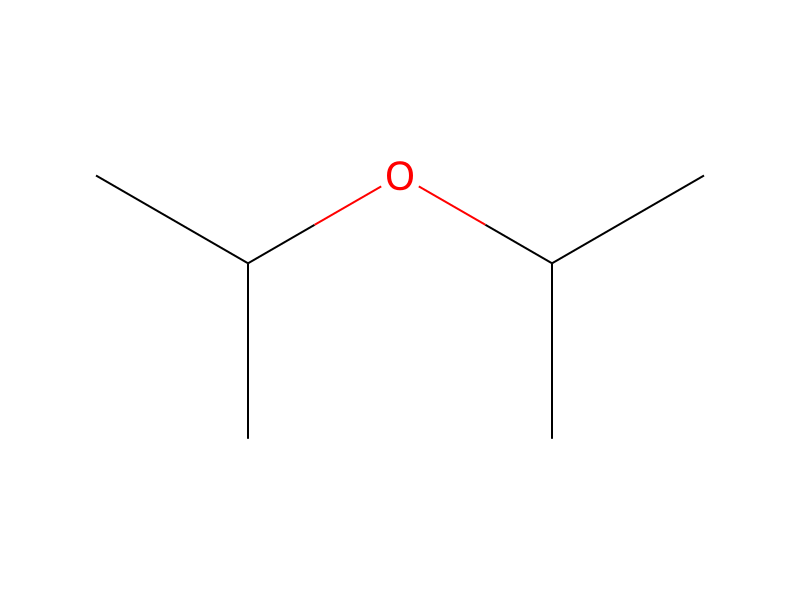
[CH3:1][O:2][C:3]1[CH:8]=[CH:7][C:6]([C:9]([F:12])([F:11])[F:10])=[CH:5][C:4]=1[N:13]=[C:14]=[O:15].[Br:16][C:17]1[CH:23]=[CH:22][CH:21]=[C:20]([F:24])[C:18]=1[NH2:19]>C(#N)C.C(OC(C)C)(C)C>[Br:16][C:17]1[CH:23]=[CH:22][CH:21]=[C:20]([F:24])[C:18]=1[NH:19][C:14]([NH:13][C:4]1[CH:5]=[C:6]([C:9]([F:12])([F:11])[F:10])[CH:7]=[CH:8][C:3]=1[O:2][CH3:1])=[O:15]2-Methoxy-5-trifluoromethylphenyl isocyanate (1.19 kg) is fused at about 35° C. and dissolved in acetonitrile (4.2 l), then 2-bromo-6-fluoroaniline (870 g) is added and rinsed out with acetonitrile (380 ml). The resulting clear solution is stirred at 74-88° C. for 45 h, then concentrated in vacuo (200 mbar) at 50° C. to give a viscous magma (amount of distillate 4.4 l). This is diluted at room temperature with diisopropyl ether (1.5 l), filtered off with suction, washed with diisopropyl ether (1.15 l) and dried at 45° C. in the VDO using entraining nitrogen to constant mass (24 h). A total of 1.63 kg of N-(2-bromo-6-fluorophenyl)-N′-[2-methoxy-5-(trifluoromethyl)phenyl]urea is obtained as a solid, corresponding to 87.5% of theory.