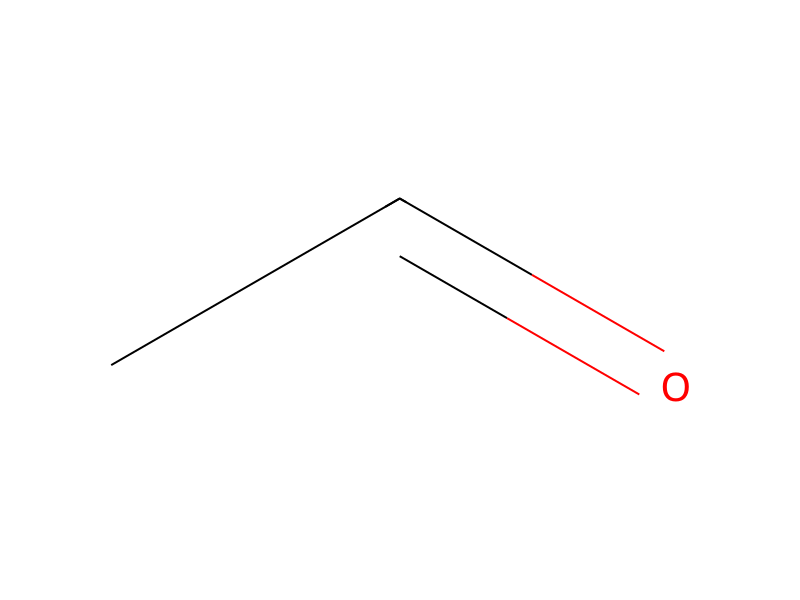
To a solution of 2-chloro-4-morpholinothieno[3,2-d]pyrimidine 4 in THF (General Procedure D-1, 10 mL) at −78° C. was added n-butyllithium (0.94 mL of a 2.5 M solution in hexanes). After stirring for 1 h at −78° C., acetaldehyde (0.33 mL) was added and the mixture was allowed to warm to room temperature over 16 h. The reaction was then quenched with water and extracted into dichloromethane. The combined organics were washed with brine, dried (MgSO4) and reduced in vacuo to yield 1-(2-chloro-4-morpholin-4-yl-thieno[3,2-d]pyrimidin-6-yl)-ethanol (540 mg).