5-Amino-4-fluoro-2-methylphenol → 4-(2-Fluoro-5-hydroxy-4-methylanilino)-6-methoxy-7-(2-methoxyethoxy)quinoline hydrochloride
반응식

Cl.[Cl:2][C:3]1[C:12]2[C:7](=[CH:8][C:9]([O:15][CH2:16][CH2:17][O:18][CH3:19])=[C:10]([O:13][CH3:14])[CH:11]=2)[N:6]=[CH:5][CH:4]=1.[F:20][C:21]1[CH:27]=[C:26]([CH3:28])[C:25]([OH:29])=[CH:24][C:22]=1[NH2:23]>CC(O)CCC>[ClH:2].[F:20][C:21]1[CH:27]=[C:26]([CH3:28])[C:25]([OH:29])=[CH:24][C:22]=1[NH:23][C:3]1[C:12]2[C:7](=[CH:8][C:9]([O:15][CH2:16][CH2:17][O:18][CH3:19])=[C:10]([O:13][CH3:14])[CH:11]=2)[N:6]=[CH:5][CH:4]=1참가 물질
4


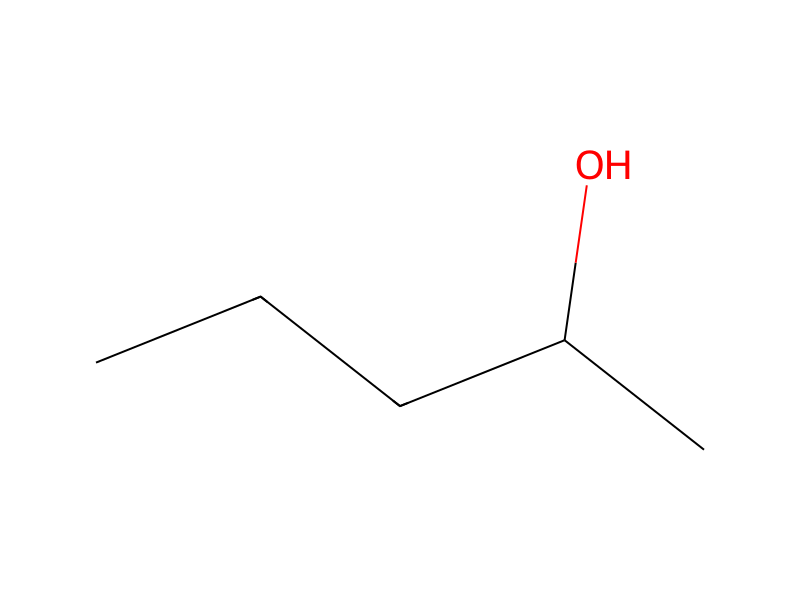
실험 절차
A solution of 4-chloro-6-methoxy-7-(2-methoxyethoxy)quinoline hydrochloride (304 mg, 1 mmol), (prepared as described for the starting material in Example 5), 2-fluoro-5-hydroxy-4-methylaniline (155 mg, 1.1 mmol), (prepared as described for the starting material in Example 1), in 2-pentanol (15 ml) was heated at reflux for 15 hours. The precipitate was collected by filtration, washed with isopropanol and dried under vacuum to give 4-(2-fluoro-5-hydroxy-4-methylanilino)-6-methoxy-7-(2-methoxyethoxy)quinoline hydrochloride (205 mg, 50%).