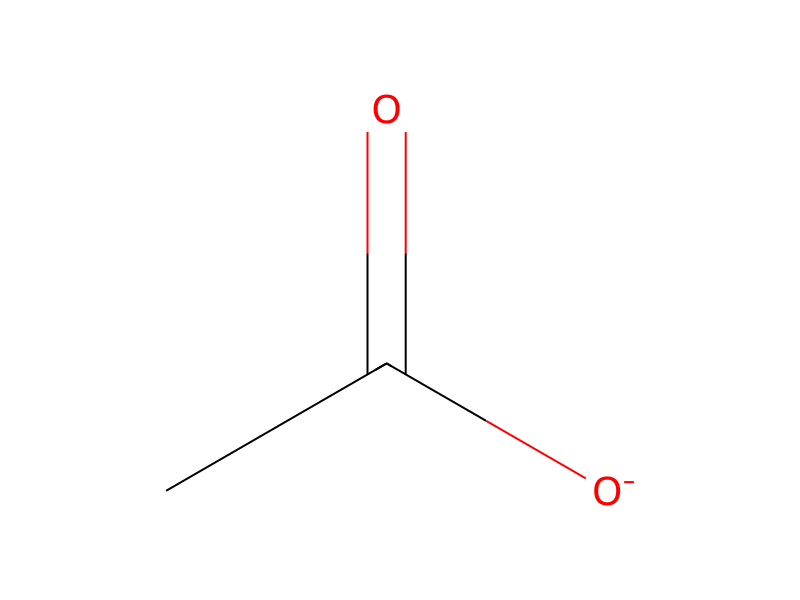
Acetate → (+-)-Mercaptosuccinic acid
HRID 426981
반응식

C([O-])(=O)C.[C:5]([O-:13])(=[O:12])[CH:6]([CH2:8][C:9]([O-:11])=[O:10])[SH:7].[Na+].[Na+].C([O-])(=O)C.[Na+]>>[C:5]([OH:13])(=[O:12])[CH:6]([CH2:8][C:9]([OH:11])=[O:10])[SH:7]참가 물질
4


실험 절차
Another synthesis for forming thiomalic acid is by the reaction of thioacetic acid and maleic acid as cited in Flett and Garner's, "Maleic Anhydride Derivatives", (J. Wiley, New York 1952) page 225. The example given here uses thioacetic acid plus maleic acid to give mercaptosuccinic acid acetate having the formula ##STR1## and the yield is 83% of that required by theory for the latter but no yield is given for the subsequent alkaline hydrolysis of this acetate to disodium thiomalate and sodium acetate and the eventual acidification to give thiomalic acid. This procedure is impractical in that the thioacetic acid preparation is expensive and is not commercially available on a large scale at an economical price, and thus is a drawback to this process. Moreover, once thiomalic acid is obtained by alkaline hydrolysis of the acetate and acidification, it must still be isolated from the water solution containing inorganic salts, just as in the sulfide process of the British patent already discussed.