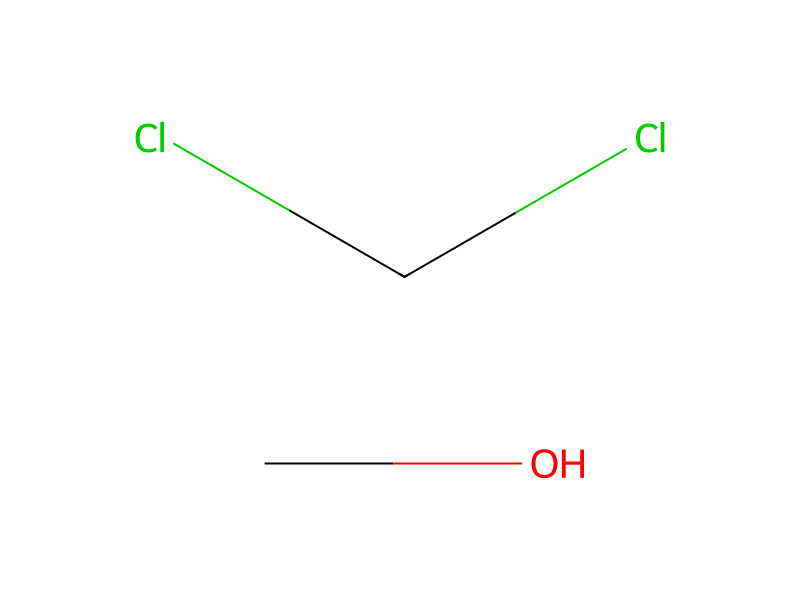
[CH3:1][NH:2][CH2:3][CH:4]([C:8]1[CH:13]=[CH:12][CH:11]=[CH:10][CH:9]=1)[CH2:5][CH:6]=[CH2:7].O.[CH3:15][O:16][C:17]1[CH:25]=[CH:24][C:23]([CH:26]2[CH:30]=[N:29][N:28]=[N:27]2)=[CH:22][C:18]=1[C:19](Cl)=[O:20].CO.ClCCl>CC(C)=O.C(=O)(O)[O-].[Na+]>[CH3:1][N:2]([CH2:3][CH:4]([C:8]1[CH:9]=[CH:10][CH:11]=[CH:12][CH:13]=1)[CH2:5][CH:6]=[CH2:7])[C:19](=[O:20])[C:18]1[CH:22]=[C:23]([C@H:26]2[CH:30]=[N:29][N:28]=[N:27]2)[CH:24]=[CH:25][C:17]=1[O:16][CH3:15]Combine N-methyl-(2-phenylpent-4-enyl)amine (1.00 g, 5.7 mmol), acetone (50 mL), water (20 mL), and sodium bicarbonate (0.3 g, 2.85 mmol). Add portionwise, a solution of 2-methoxy-5-(4H-triazol-4-yl)benzoyl chloride (1.4 g, 6.3 mmol) in acetone (50 mL). After 10 hours, dilute the reaction mixture with a saturated aqueous sodium bicarbonate solution and evaporate in vacuo to remove most of the acetone. Extract five times with dichloromethane. Dry the combined organic layers over Na2SO4, filter, and evaporate in vacuo to give a residue. Chromatograph the residue on silica gel eluting with 5% methanol/dichloromethane to give (S)-N-methyl-N-(2-phenylpent-4-enyl)-2-methoxy-5-(4H-triazol-4-yl)benzamide: Rf=0.25 (silica gel, 5% methanol/dichloromethane).