반응식

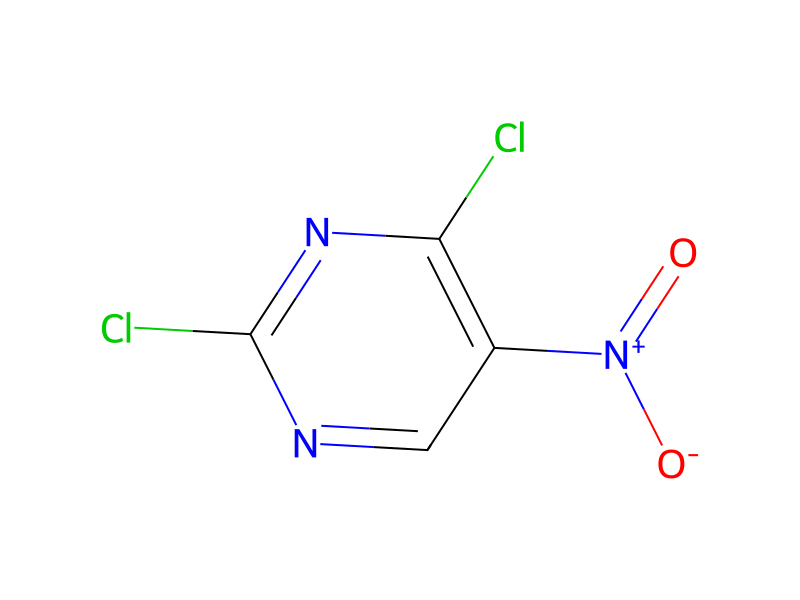
[NH:1]1[CH2:6][CH2:5][CH2:4][CH2:3][C@@H:2]1[C:7]([OH:9])=O.N[C@H:11](CC)C(O)=O.N[C@H](CC)C(OC)=O.COC(C1CCCCN1)=O.[Cl:35][C:36]1[N:41]=[C:40](Cl)[C:39]([N+:43]([O-])=O)=[CH:38][N:37]=1>>[Cl:35][C:36]1[N:41]=[CH:40][C:39]2[N:43]([CH3:11])[C:7](=[O:9])[C@H:2]3[CH2:3][CH2:4][CH2:5][CH2:6][N:1]3[C:38]=2[N:37]=1참가 물질
6



실험 절차
Intermediate D was prepared in the same manner as intermediate B, using (R)-piperidine-2-carboxylic acid as the starting material instead of (R)-2-aminobutanoic acid. No reductive amination step, such as that used for the conversion of compound II to compound III, was required. Rather, methylpiperidine-2-carboxylate was reacted directly with 2,4-dichloro-5-nitropyrimidine in the same manner as is described for the conversion of compound III to intermediate A. 1H NMR (CDCl3) δ: 7.6 (s, 1H), 4.8 (m, 1H), 4.0 (m, 1H), 3.2 (s, 3H), 2.6 (m, 1H), 2.3 (m, 1H), 1.6 (m, 1H), 1.5 (m, 4H).
출처 및 근거
- ORD 기록
- ord-9880883d9bcf4926987c2c0cd2acf59c
- 출처 데이터셋
- uspto-grants-2013_09
- 특허 번호
- US08541418B2
연결된 노트
불러오는 중…