반응식

[OH:1][C:2]1[CH:7]=[CH:6][C:5]([CH2:8][CH2:9][OH:10])=[CH:4][CH:3]=1.Br[CH2:12][C:13]([O:15][C:16]([CH3:19])([CH3:18])[CH3:17])=[O:14].C(=O)([O-])[O-].[K+].[K+]>C(#N)C>[C:16]([O:15][C:13]([CH2:12][O:1][C:2]1[CH:7]=[CH:6][C:5]([CH2:8][CH2:9][OH:10])=[CH:4][CH:3]=1)=[O:14])([CH3:19])([CH3:18])[CH3:17]참가 물질


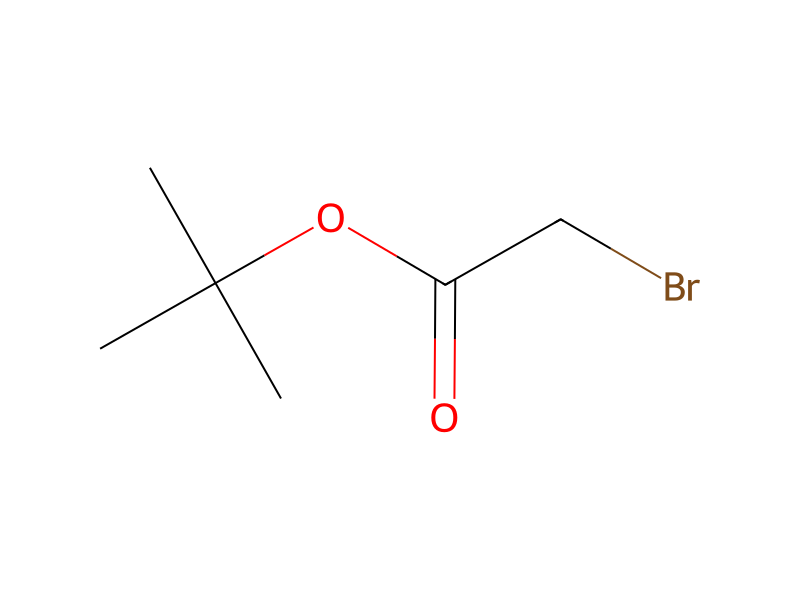


실험 절차
The hapten p-(carboxymethyl)ritodrine (Hapten E) was prepared in four steps according to FIG. 7 of the accompanying drawings, from 2-(4-hydroxyphenyl)ethanol 17. The reaction of 17 with t-butyl bromoacetate in acetonitrile in the presence of potassium carbonate at 60° C. gives 2-[4-(t-butoxycarbonylmethoxy)phenyl]ethanol 18. The oxidation of the alcohol 18 with pyridinium chlorochromate (pcc) in dichloromethane gives the 2-[4-(t-butoxycarbonylmethoxy)phenyl]ethanal 19. The ester 20, obtained by condensation of the aldehyde 19 with α-(1-aminoethyl)-4-hydroxybenzyl alcohol hydrochloride 13 in methanol in the presence of sodium cyanoborohydride and triethylamine. Deprotection of the t-butyl protecting group of the ester 20 with 4 M HCl in dioxane at room temperature gave Hapten E in moderate yield.
출처 및 근거
- ORD 기록
- ord-840cea4db1a04a7d8d622476971a7924
- 출처 데이터셋
- uspto-grants-2007_03
- 특허 번호
- US07192722B2
연결된 노트
불러오는 중…