홈MCP워크벤치Skills
홈워크벤치알림마이페이지
llms.txt · MCP 가이드개인정보처리방침 · 이용약관 · 지원v1.8.3
  1. 홈
  2. /반응

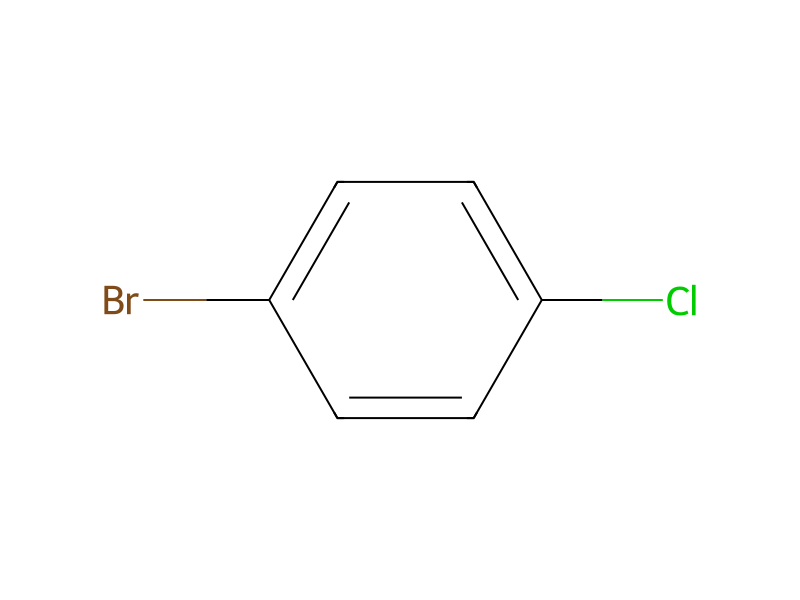
p-Bromochlorobenzene → 4-(4-Chloro-phenyl)-4-hydroxy-3,3-dimethyl-piperidine-1-carboxylic acid tert-butyl ester

HRID 472886
인쇄

반응식

HRID 472886 반응식
Br[C:2]1[CH:7]=[CH:6][C:5]([Cl:8])=[CH:4][CH:3]=1.C([Li])CCC.[CH3:14][C:15]1([CH3:29])[C:20](=[O:21])[CH2:19][CH2:18][N:17]([C:22]([O:24][C:25]([CH3:28])([CH3:27])[CH3:26])=[O:23])[CH2:16]1>C1COCC1>[Cl:8][C:5]1[CH:6]=[CH:7][C:2]([C:20]2([OH:21])[CH2:19][CH2:18][N:17]([C:22]([O:24][C:25]([CH3:27])([CH3:26])[CH3:28])=[O:23])[CH2:16][C:15]2([CH3:29])[CH3:14])=[CH:3][CH:4]=1
참가 물질반응 조건실험 절차후처리출처 및 근거반응 노트

참가 물질

5

반응물 3

HCID 7806p-BromochlorobenzeneHCID 22278899tert-Butyl 3,3-dimethyl-4-oxopiperidine-1-carboxylateHCID 178418339Butyllithium

생성물 1

HCID 593412124-(4-Chloro-phenyl)-4-hydroxy-3,3-dimethyl-piperidine-1-carboxylic acid tert-butyl ester수율 86.2%

시약·촉매·용매 1

HCID 8028Tetrahydrofuran용매2회

반응 조건

온도
-78 °C

실험 절차

A solution of 4-bromochlorobenzene (136.6 g, 0.71 mol) in anhydrous THF (1000 mL) was cooled to −78° C., and then treated dropwise with a 1.6 M solution of n-butyllithium in hexanes (466 mL, 0.75 mol) at a rate which maintained the internal temperature below −60° C. The resulting mixture was stirred at −78° C. for 1.5 hours, during which a precipitate was observed. The resulting suspension was treated dropwise with a solution of tert-butyl 3,3-dimethyl-4-oxopiperidine-1-carboxy late (73.7 g, 0.32 mol) in anhydrous THF (400 mL) at a rate which maintained the internal temperature below −60° C. The mixture was stirred at −78° C. for 2 hours, during which a clear solution was observed. The reaction mixture was quenched with saturated ammonium chloride (300 mL) and the resulting mixture was allowed to come to room temperature. The aqueous and organic layers were separated, and the organic phase was concentrated in vacuo to yield a residue. The aqueous phase was extracted 2× with ethyl acetate (300 mL). The combined extracts were added to the residue from the original organic phase, and the resulting mixture was diluted to 1200 mL with ethyl acetate. The resulting solution was washed 2× with water (300 mL), once with brine, dried over sodium sulfate, and concentrated in vacuo to yield a residue. The residue was digested with boiling hexanes (300 mL), and the resulting suspension was cooled to room temperature. Once at the prescribed temperature, white solids were collected by filtration, and washed 2× with hexanes and then air dried to yield the title compound as a powder (93.7 g, 85% yield).

후처리

  1. temperaturemaintained the internal temperature below −60° C
  2. temperaturemaintained the internal temperature below −60° C
  3. stirringThe mixture was stirred at −78° C. for 2 hours, during which a clear solution
  4. customThe reaction mixture was quenched with saturated ammonium chloride (300 mL)
  5. customto come to room temperature
  6. customThe aqueous and organic layers were separated
  7. concentrationthe organic phase was concentrated in vacuo
  8. customto yield a residue
  9. extractionThe aqueous phase was extracted 2× with ethyl acetate (300 mL)
  10. additionThe combined extracts were added to the residue from the original organic phase
  11. additionthe resulting mixture was diluted to 1200 mL with ethyl acetate
  12. washThe resulting solution was washed 2× with water (300 mL)
  13. dry with materialonce with brine, dried over sodium sulfate
  14. concentrationconcentrated in vacuo
  15. customto yield a residue
  16. temperaturethe resulting suspension was cooled to room temperature
  17. filtrationOnce at the prescribed temperature, white solids were collected by filtration
  18. washwashed 2× with hexanes
  19. customair dried

출처 및 근거

ORD 기록
ord-3ea4b196ecb94f3fb6a426c0ea65ea1f
출처 데이터셋
uspto-grants-2014_01
DOI
10.6084/m9.figshare.5104873.v1
특허 번호
US08633226B2

반응 노트

이 페이지에서참가 물질반응 조건실험 절차후처리출처 및 근거반응 노트

