반응식

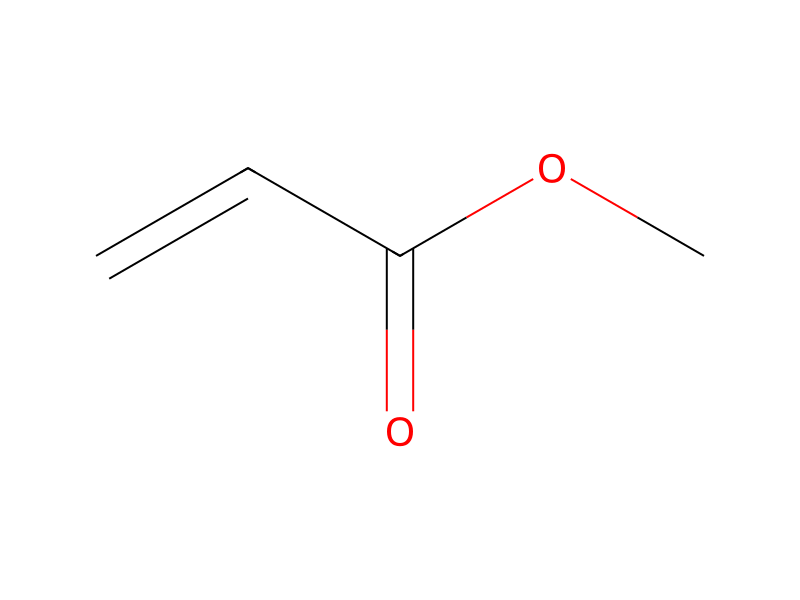
C(OC)(=[O:4])C=C.C(P)(C)(C)C.[C:12]([P:16]([CH2:23][CH2:24][C:25]([O:27][CH3:28])=[O:26])[CH2:17][CH2:18][C:19]([O:21][CH3:22])=[O:20])([CH3:15])([CH3:14])[CH3:13]>>[C:12]([P:16](=[O:4])([CH2:23][CH2:24][C:25]([O:27][CH3:28])=[O:26])[CH2:17][CH2:18][C:19]([O:21][CH3:22])=[O:20])([CH3:14])([CH3:15])[CH3:13]참가 물질
4


실험 절차
The procedure of Example 1 is again followed except that 860 parts of methyl acrylate are reacted with 452 parts of t-butylphosphine. 4.9 Parts of azobis-1-isovaleronitrile are used as catalyst. The liquid reaction product, t-butyl bis(carbomethoxyethyl)phosphine is oxidized to give t-butyl bis(carbomethoxyethyl)phosphine oxide which is then hydrolyzed. The product, t-butyl bis(β-carboxyethyl)phosphine oxide is isolated as an off-white crystalline solid having a m.p. of 174° C.
출처 및 근거
- ORD 기록
- ord-712adabdfa634377b84084e00c943de7
- 출처 데이터셋
- uspto-grants-1985_08
- 특허 번호
- US04537993
연결된 노트
불러오는 중…