Potassium Carbonate → Ethyl 3-[(4-bromo-2-methylphenyl)amino]-2-nitro-3-oxopropanoate
반응식

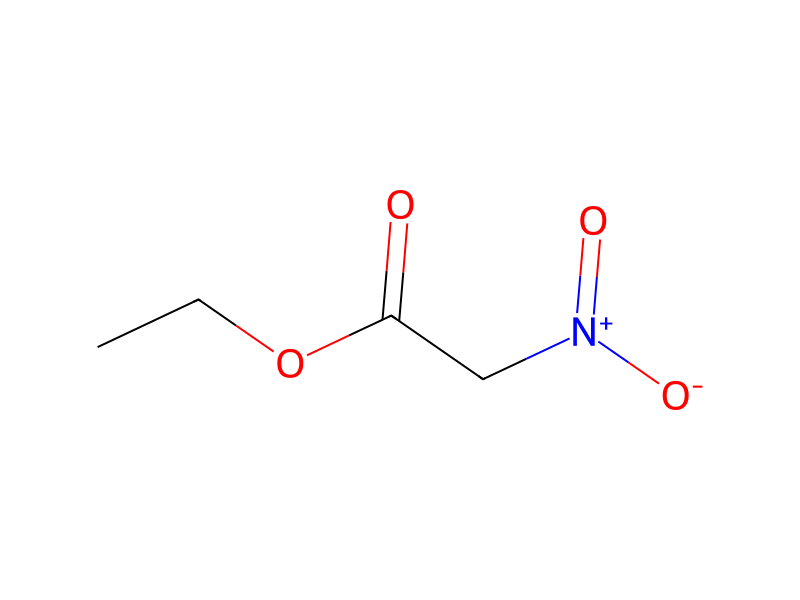
[Br:1][C:2]1[CH:7]=[CH:6][C:5]([N:8]=[C:9]=[O:10])=[C:4]([CH3:11])[CH:3]=1.[N+:12]([CH2:15][C:16]([O:18][CH2:19][CH3:20])=[O:17])([O-:14])=[O:13].C(=O)([O-])[O-].[K+].[K+]>C1C=CC=CC=1>[Br:1][C:2]1[CH:7]=[CH:6][C:5]([NH:8][C:9](=[O:10])[CH:15]([N+:12]([O-:14])=[O:13])[C:16]([O:18][CH2:19][CH3:20])=[O:17])=[C:4]([CH3:11])[CH:3]=1참가 물질
5



실험 절차
A mixture of 9.22 grams (0.04 mole) of 4-bromo-2-methylphenyl isocyanate, 5.78 grams (0.04 mole) of ethyl nitroacetate, 6.01 grams (0.04 mole) of anhydrous potassium carbonate and 90 milliliters of benzene was stirred and heated under reflux for 3 hours then cooled and stirred at room temperature for a period of about 16 hours. The precipitated material was filtered off and thoroughly triturated with 200 milliliters of ice water, filtering to remove a precipitate which was discarded. Chilling and acidification of the filtrate with concentrated HCl caused precipitation of a yellow-white solid which was collected, water-washed and air-dried. Recrystallization from benzene-cyclohexane (3:1) gave 3.38 grams (0.01 mole) of ethyl 3-[(4-bromo-2-methylphenyl)amino]-2-nitro-3-oxopropanoate as white crystals having a melting point of 126° C.-129° C. Elemental analysis of the product indicated the following: