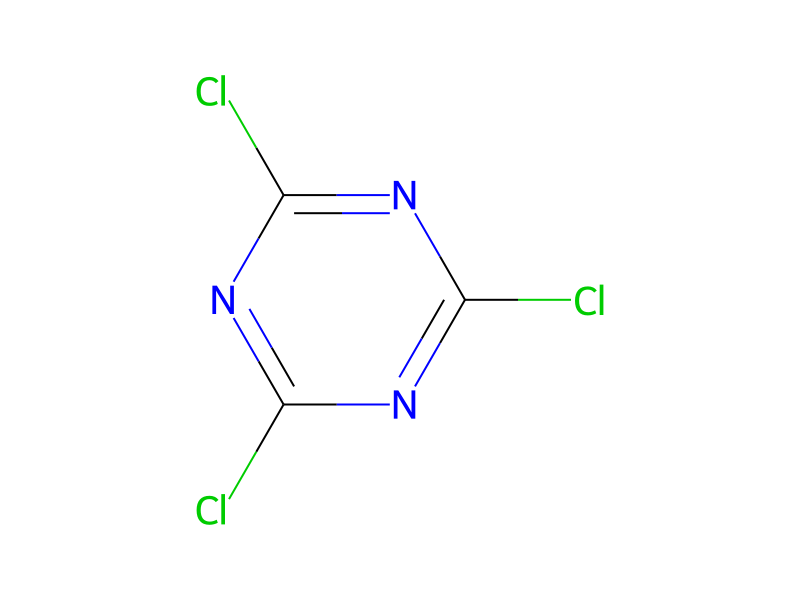
N1C(Cl)=NC(Cl)=NC=1[Cl:3].CN(C=O)C.[Cl:15][C:16]1[C:17]([F:38])=[C:18]([CH:27]2[CH2:30][N:29]([C:31]([O:33][C:34]([CH3:37])([CH3:36])[CH3:35])=[O:32])[CH2:28]2)[C:19]([O:25][CH3:26])=[C:20]([CH:22](O)[CH3:23])[CH:21]=1.O>ClCCl>[Cl:15][C:16]1[C:17]([F:38])=[C:18]([CH:27]2[CH2:30][N:29]([C:31]([O:33][C:34]([CH3:37])([CH3:36])[CH3:35])=[O:32])[CH2:28]2)[C:19]([O:25][CH3:26])=[C:20]([CH:22]([Cl:3])[CH3:23])[CH:21]=1Cyanuric chloride (140 mg, 0.78 mmol) was added to DMF (0.059 mL, 0.77 mmol) at room temperature. After the formation of a white solid (10 min), methylene chloride (4 mL) was added, followed by tert-butyl 3-[3-chloro-2-fluoro-5-(1-hydroxyethyl)-6-methoxyphenyl]azetidine-1-carboxylate (197 mg, 0.547 mmol). After the addition, the mixture was stirred at room temperature overnight. Water was added, and the resulting mixture was then diluted with dichloromethane. The organic phase was separated, washed with sat. NaHCO3 solution, water and brine, dried over MgSO4, concentrated and purified on silica gel (eluting with 0 to 30% EtOAc in hexanes) to give the desired product (110 mg, 53%).
불러오는 중…