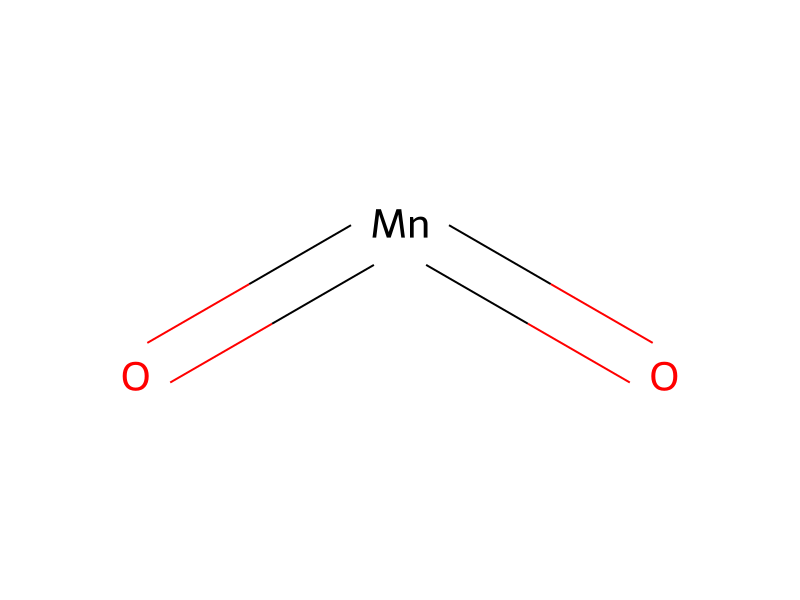
n-BuLi (1.5 M in hexane, 40 mL, 60 mmol) was added dropwise to a cooled solution of 4,5-dibromo-2-tert-butyl-1-((2-(trimethylsilyl)ethoxy)methyl)-1H-imidazole (23.6 g, 57.2 mmol) in anhydrous THF (250 mL) at −78° C. After 30 min at −78° C., a solution of 2-chloropyrimidine (7.21 g, 63.0 mmol) in anhydrous THF (2 mL) was added dropwise and the reaction was stirred at −78° C. for 1 h. The reaction was quenched by the addition of saturated aqueous NH4Cl solution and allowed to warm to rt. The mixture was partitioned with EtOAc and the layers separated. The aqueous portion was extracted with EtOAc (3×) and the combine organic layers were washed with water, brine, dried (MgSO4), and concentrated. The resulting residue was dissolved in dry EtOAc, treated with MnO2 (5.2 g, 60 mmol), and heated to reflux for 3 h. The reaction was allowed to cool to rt and filtered through Celite. The filter cake was washed thoroughly with EtOAc and the combine filtrates were concentrated. The remaining residue was purified by flash chromatography (SiO2, 100:0-90:10 hexanes-EtOAc) to give 10 g (37%) of 4-(4-bromo-2-tert-butyl-1H-imidazol-5-yl)-2-chloropyrimidine: LCMS (m/z): 447.10 (MH+), tR=1.30 min. 1H NMR (400 MHz, CDCl3) δ 8.64 (d, J=5.3 Hz, 1H), 7.83 (d, J=5.3 Hz, 1H), 5.85 (s, 2H), 3.45 (m, 2H), 0.76 (m, 2H), −0.08 (s, 9H).