반응식

C([N:3](CC)[C:4](Cl)=[O:5])C.C1(N(C2C=CC=CC=2)C(Cl)=O)C=CC=CC=1.C(NC(Cl)=O)C.C1(NC(Cl)=O)C=CC=CC=1.[OH:41][C:42]1[C:55]2[C:54](=[O:56])[C:53]3[C:48](=[CH:49][CH:50]=[CH:51][CH:52]=3)[C:47](=[O:57])[C:46]=2[CH:45]=[CH:44][CH:43]=1>N1C=CC=CC=1>[C:4](=[O:5])([O:41][C:42]1[C:55]2[C:54](=[O:56])[C:53]3[C:48](=[CH:49][CH:50]=[CH:51][CH:52]=3)[C:47](=[O:57])[C:46]=2[CH:45]=[CH:44][CH:43]=1)[NH2:3]참가 물질
7

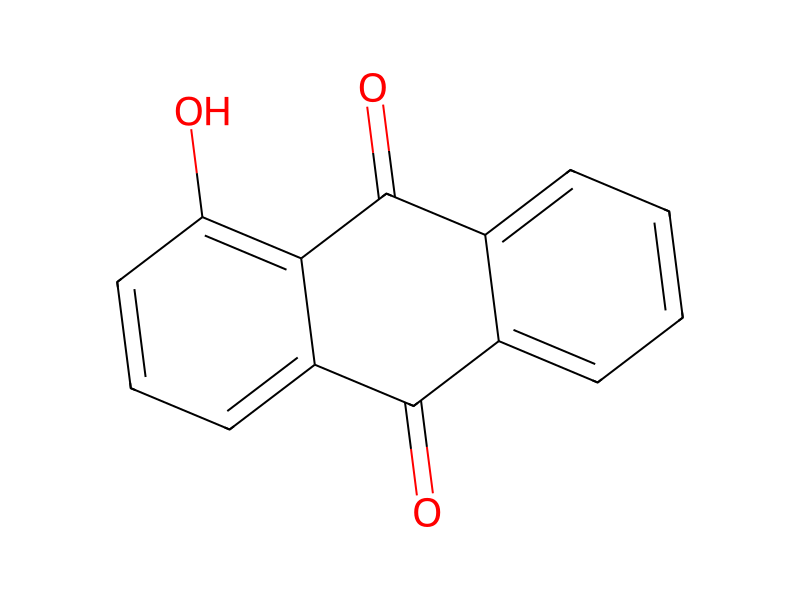



실험 절차
Employing the same procedure as described in Example 4, diethylcarbamyl chloride, diphenylcarbamyl chloride, ethylcarbamyl chloride and N-methyl, N-phenyl carbamyl chloride were respectively reacted with 1-hydroxyanthraquinone in pyridine to obtain the corresponding 1-anthraquinonyl carbamate derivatives.
출처 및 근거
- ORD 기록
- ord-0ace4a359ecf44dcbe95a408d7a7094d
- 출처 데이터셋
- uspto-grants-1984_05
- 특허 번호
- US04451278
연결된 노트
불러오는 중…