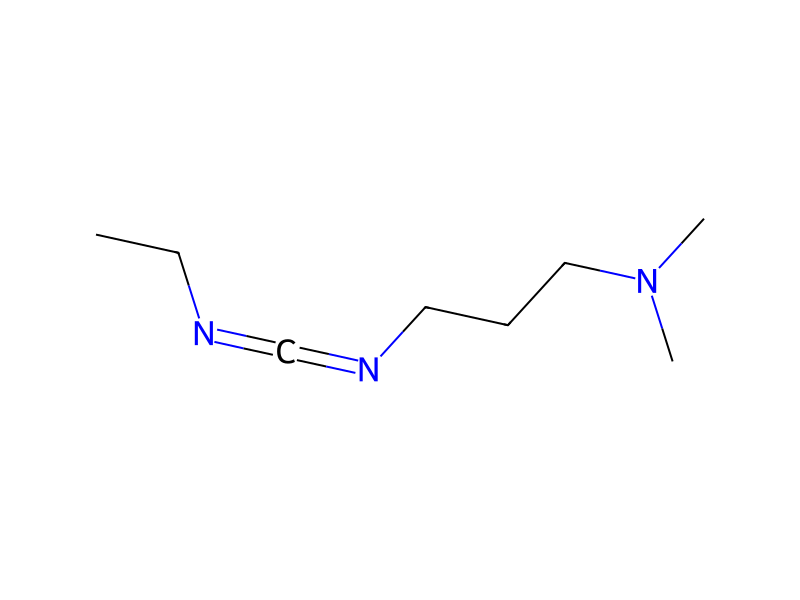
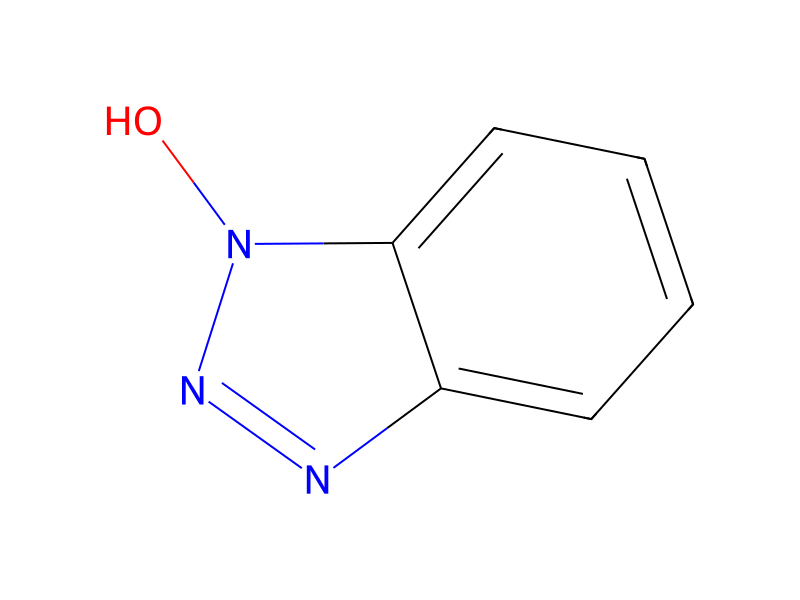
[F:1][C:2]1[CH:10]=[CH:9][C:5]([C:6]([OH:8])=O)=[CH:4][CH:3]=1.Cl.Cl.[N:13]1([C@H:18]2[CH2:22][CH2:21][NH:20][CH2:19]2)[CH2:17][CH2:16][CH2:15][CH2:14]1.C(N(CC)CC)C.C(N=C=NCCCN(C)C)C.ON1C2C=CC=CC=2N=N1>CN(C=O)C>[N:13]1([C@H:18]2[CH2:22][CH2:21][N:20]([C:6]([C:5]3[CH:4]=[CH:3][C:2]([F:1])=[CH:10][CH:9]=3)=[O:8])[CH2:19]2)[CH2:17][CH2:16][CH2:15][CH2:14]1A solution of 4-fluorobenzoic acid (3.5 g, 24.98 mmol) in DMF is treated with (S)-1,3′-bipyrrolidine dihydrochloride (10.65 g, 49.96 mmol), triethylamine (12.64 g, 124.90 mmol), 1-ethyl-3(3-dimethylaminopropyl)carbodiimide (5.75 g, 28.98 mmol) and N-hydroxybenzotriazole (4.05 g, 29.98 mmol), stirred at room temperature for 16 h and concentrated in vacuo. The resultant residue is partioned between CH2Cl2 and H2O. The organic phase is separated, washed sequentially with saturated NaHCO3 and brine, dried over MgSO4 and concentrated. The concentrate is absorbed onto silica and purified by flash column chromatography (10% methanol in CH2Cl2) to give the title product, identified by NMR and mass spectral analyses.