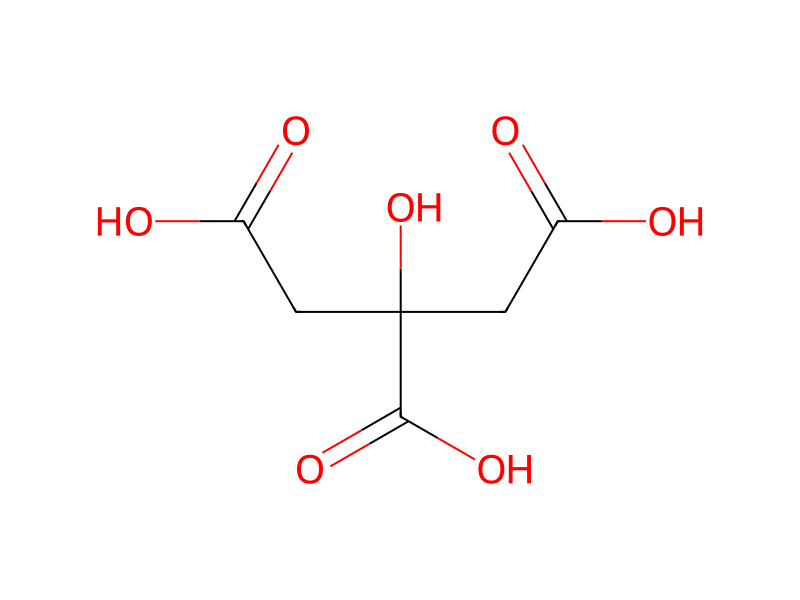
Br[C:2]1[CH:11]=[CH:10][C:5]([C:6]([NH:8][CH3:9])=[O:7])=[C:4]([F:12])[CH:3]=1.C([O-])([O-])=O.[K+].[K+].C(C1CCCCC1=O)(=O)C.C(O)(=O)[CH2:30][C:31]([CH2:36]C(O)=O)([C:33]([OH:35])=[O:34])O.C[N:43](C=O)C>[Cu]I.O.C(N(CC)CC)C>[CH3:9][NH:8][C:6]([C:5]1[CH:10]=[CH:11][C:2]([NH:43][C:31]([CH3:36])([CH3:30])[C:33]([OH:35])=[O:34])=[CH:3][C:4]=1[F:12])=[O:7]4-Bromo-2-fluoro-N-methylbenzamide (155 mg, 0.66 mmol), isoaminobutyric acid (103 mg, 1.0 mmol), CuI (3 mg, 0.015 mmol), triethylamine (0.1 mL, catalytic amount) and K2CO3 (353 mg, 2.5 mmol) were dissolved in DMF (4 mL) and water (1 mL) stirred at RT for 5 min. 2-Acetylcyclohexanone (100 mg, 0.7 mmol) was added and the mixture heated at 100° C. for 18 h. The reaction mixture was acidified with 1 M citric acid (to pH 4) and extracted with ethyl acetate (50 mL, 2 times). The organic layer was dried over Na2SO4 and concentrated to obtain 200 mg of 2-(4-(methylcarbamoyl)-3-fluorophenylamino)-2-methylpropanoic acid.