반응식

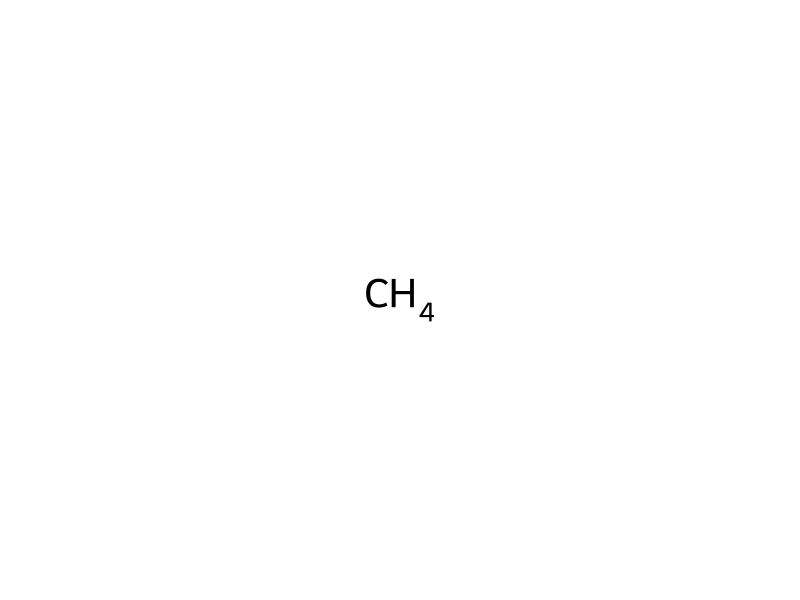
C.[S:2]([OH:12])(=[O:11])([C:4]1[CH:9]=[CH:8][C:7]([NH2:10])=[CH:6][CH:5]=1)=[O:3].C1C(Br)=C(Br)[NH:15]C=1C(O)=O.N([O-])=O.[Na+]>O>[OH-:3].[S:2]([C:4]1[CH:5]=[CH:6][C:7]([N+:10]#[N:15])=[CH:8][CH:9]=1)([OH:12])(=[O:11])=[O:3]참가 물질




실험 절차
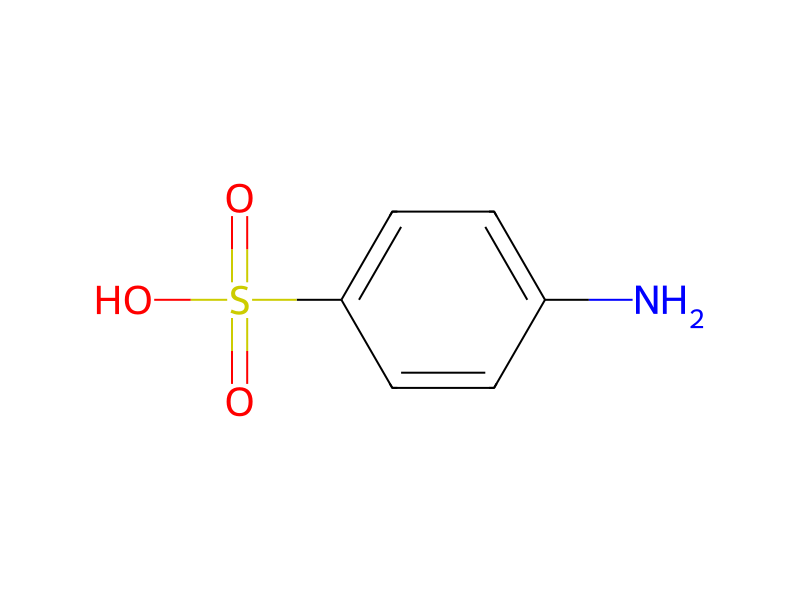
This example illustrates another method for the preparation of a carbon black product of the present invention. In this example, the acid for the diazotization reaction comes from the amine forming the diazonium salt, sulfanilic acid. As a result, no additional acid was required. A carbon black (10 g) with a CTAB surface area of 350 m2/g and a DBPA of 120 ml/100 g was added to a boiling solution of 2.12 g sulfanilic acid in 90 g of water. A solution of 1.04 g of NaNO2 in 10 g water was added cautiously. 4-Sulfobenzene diazonium hydroxide inner salt was formed in situ, which reacted with the carbon black. After stirring for about 20 min, the resulting dispersion was dried in an oven at 120° C. A sample of the product that had been subjected to Soxhlet extraction overnight with ethanol contained 3.16% sulfur, compared to 0.5% sulfur for the untreated carbon black. Therefore, the carbon black product had 0.83 mmol/g of attached p-C6H4SO3 -- groups.
출처 및 근거
- ORD 기록
- ord-190ce8f44c554d1d9ee5aa987c6f8a06
- 출처 데이터셋
- uspto-grants-1999_07
- 특허 번호
- US05919855
연결된 노트
불러오는 중…