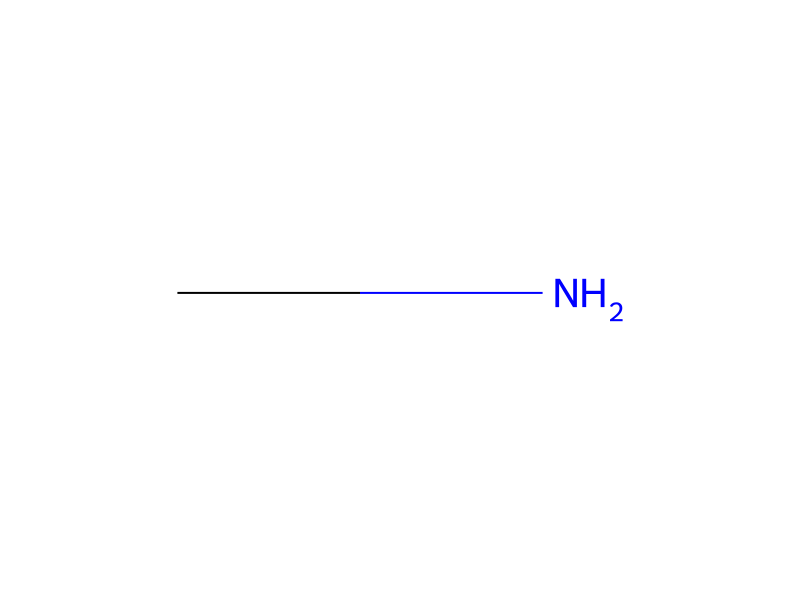
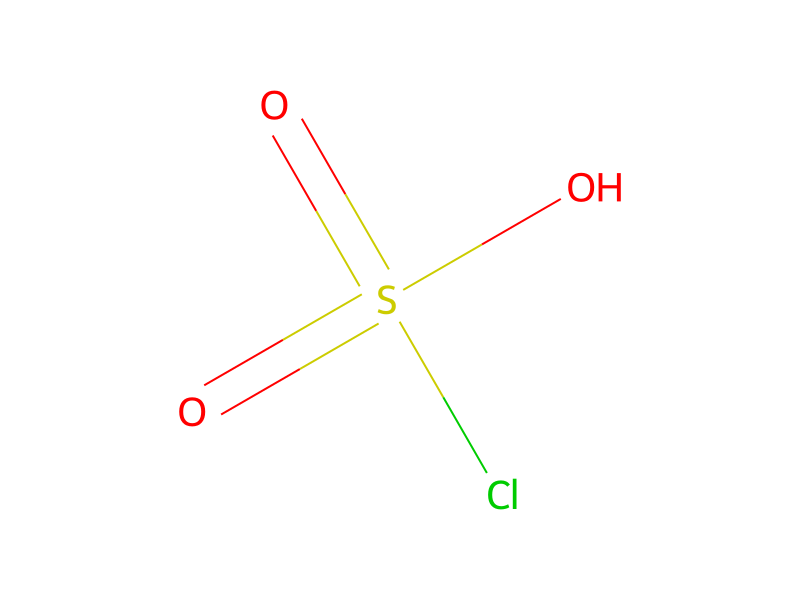
[Br:1][C:2]1[CH:3]=[CH:4][C:5]2[N:11]([C:12]3[CH:17]=[CH:16][CH:15]=[CH:14][CH:13]=3)[CH2:10][CH2:9][C:8]([C:18]([O:20][CH3:21])=[O:19])=[CH:7][C:6]=2[CH:22]=1.Cl[S:24]([OH:27])(=O)=[O:25].[CH3:28][NH2:29]>ClCCl.O>[Br:1][C:2]1[CH:3]=[CH:4][C:5]2[N:11]([C:12]3[CH:17]=[CH:16][C:15]([S:24](=[O:27])(=[O:25])[NH:29][CH3:28])=[CH:14][CH:13]=3)[CH2:10][CH2:9][C:8]([C:18]([O:20][CH3:21])=[O:19])=[CH:7][C:6]=2[CH:22]=1In dichloromethane (20 ml) was dissolved methyl 7-bromo-1-phenyl-2,3-dihydro-1H-1-benzazepine-4-carboxylate (1 g). Under ice-cooling, to the solution was added dropwise chlorosulfonic acid (0.93 ml). The mixture was stirred at room temperature for 1 hour, and the reaction solution was added dropwise to 40% methylamine solution in water (25 ml) under ice-cooling. The mixture was stirred at room temperature overnight, concentrated and extracted with ethyl acetate. The organic layer was washed with water and saturated brine and dried with anhydrous magnesium sulfate. The solvent was evaporated to give methyl 7-bromo-1-(N-methyl-4-sulfamoylphenyl)-2,3-dihydro-1H-1-benzazepine-4-carboxylate (1 g) as yellow crystals.