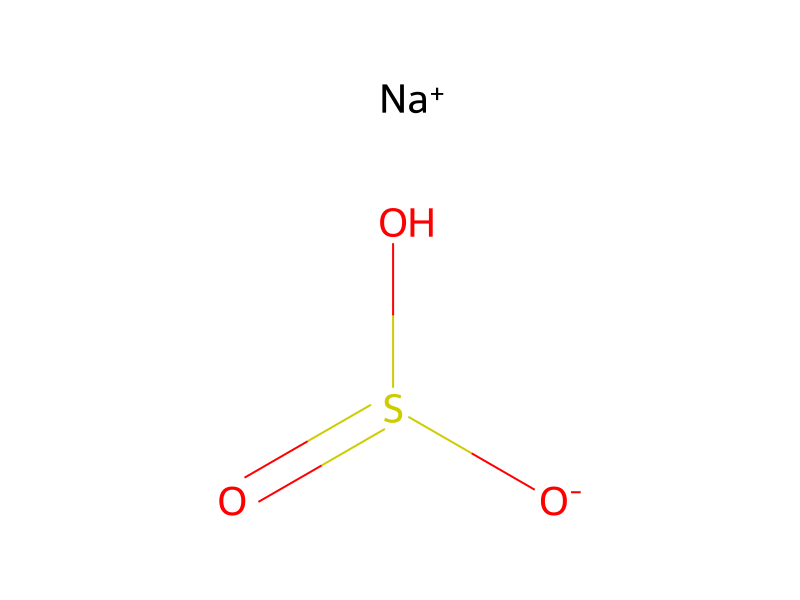
[CH3:1][C:2]1[CH:7]=[C:6]([CH:8]=O)[CH:5]=[C:4]([CH3:10])[N:3]=1.[NH2:11][C:12]1[CH:20]=[C:19]([F:21])[CH:18]=[C:17]([F:22])[C:13]=1[C:14]([NH2:16])=[O:15].S([O-])(O)=O.[Na+].C1(C)C=CC(S(O)(=O)=O)=CC=1>CN(C)C(=O)C.O>[CH3:1][C:2]1[CH:7]=[C:6]([C:8]2[NH:16][C:14](=[O:15])[C:13]3[C:12](=[CH:20][C:19]([F:21])=[CH:18][C:17]=3[F:22])[N:11]=2)[CH:5]=[C:4]([CH3:10])[N:3]=1To a solution of 2,6-dimethyl-pyridine-4-carbaldehyde (5.0 g, 36.5 mmol) and 2-amino-4,6-difluorobenzamide (6.28 g, 36.5 mmol) in N,N-dimethyl acetamide (80 mL) were added sodium hydrogen sulfite (7.95 g, 43.8 mmol) and p-toluenesulfonic acid (0.7 g, 3.65 mmol). The reaction mixture was stirred at 115° C. for 16 hours under nitrogen. The reaction mixture was cooled to room temperature, diluted with water, the precipitate was collected by filtration, washed with sat. NaHCO3 and brine, and dried in vacuo to give 2-(2,6-dimethylpyridin-4-yl)-5,7-difluoro-3H-quinazolin-4-one as a white solid. Yield: 2.82 g (26.8%).