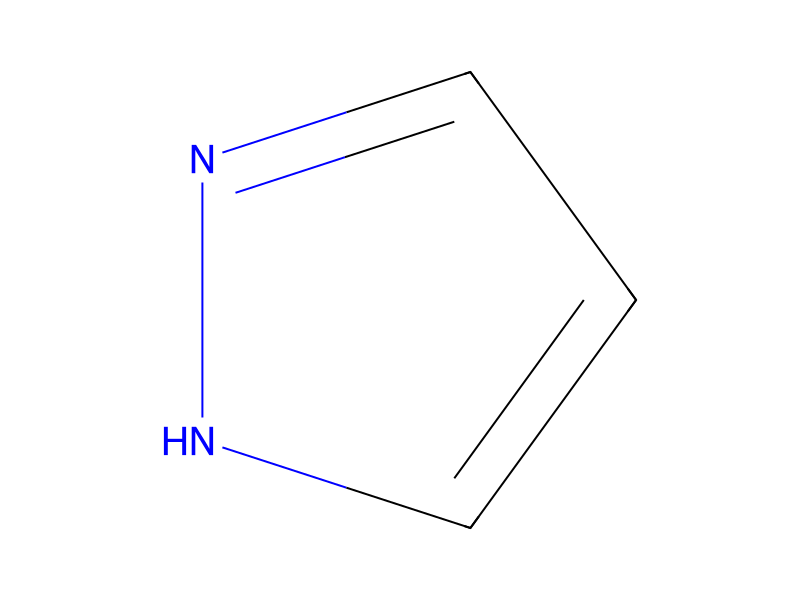
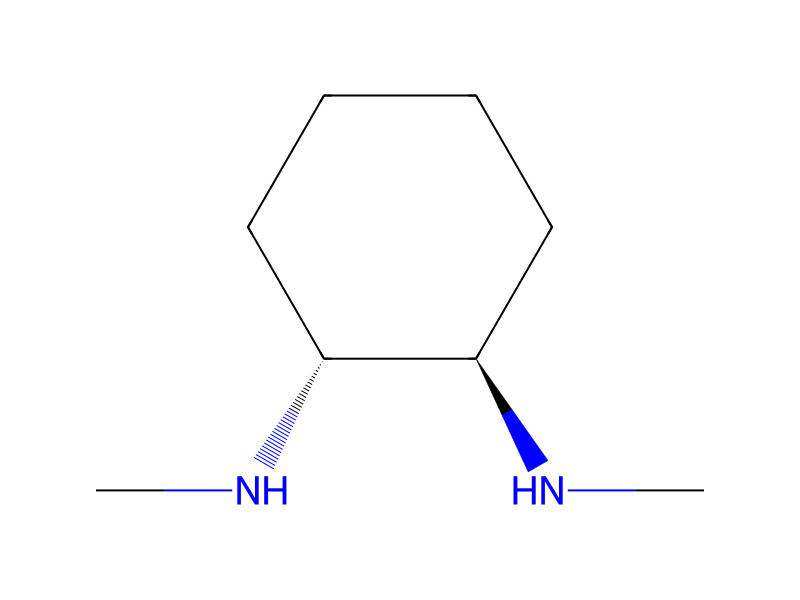
Br[C:2]1[N:7]=[C:6]([C:8]([O:10][CH3:11])=[O:9])[CH:5]=[CH:4][CH:3]=1.[NH:12]1[CH:16]=[CH:15][CH:14]=[N:13]1.CN[C@@H]1CCCC[C@H]1NC.C([O-])([O-])=O.[K+].[K+]>C1(C)C=CC=CC=1.[Cu]I.O>[N:12]1([C:2]2[N:7]=[C:6]([C:8]([O:10][CH3:11])=[O:9])[CH:5]=[CH:4][CH:3]=2)[CH:16]=[CH:15][CH:14]=[N:13]1A mixture of commercially available methyl 6-bromopicolinate (1.000 g; 4.62 mmol), 1H-pyrazole (315 mg; 4.62 mmol), trans-N,N′-dimethylcyclohexane-1,2-diamine (135 mg; 0.92 mmol), K2CO3 (1.370 g; 9.72 mmol), and CuI (44 mg; 0.23 mmol) in anh. toluene (15 ml) was heated at reflux for 17 h. After cooling to rt, water was added, and the mixture was extracted with AcOEt. The mixed organic layers were dried over anh. MgSO4, filtered, and concentrated to dryness under reduced pressure. Purification by FC (DCM/MeOH=20/1) afforded methyl 6-(1H-pyrazol-1-yl)picolinate as a colorless solid. LC-MS (conditions A): tR=0.59 min.; [M+H]+: 204.04 g/mol.