Iodine → 2,3,5,6-Tetrachloro-p-tolualdehyde
HRID 616655
반응식

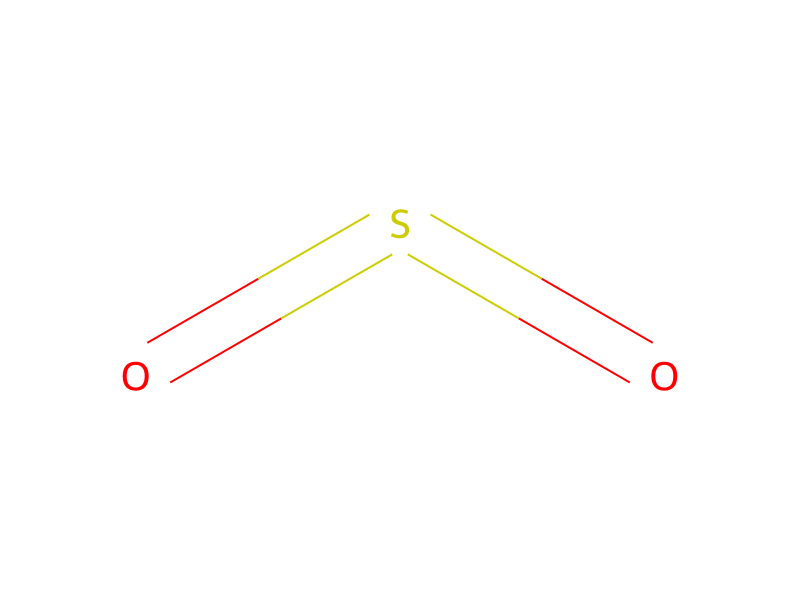
ClC1C(C)=C(Cl)C(Cl)=C(C)C=1Cl.[Cl:13][C:14]1[C:19]([Cl:20])=[C:18]([CH2:21][OH:22])[C:17]([Cl:23])=[C:16]([Cl:24])[C:15]=1[CH2:25]O.S(=O)=O.II>>[Cl:13][C:14]1[C:19]([Cl:20])=[C:18]([CH:21]=[O:22])[C:17]([Cl:23])=[C:16]([Cl:24])[C:15]=1[CH3:25]참가 물질
5



실험 절차
When the procedure of Example 64 was carried by replacing tetrachloro-p-xylene with an equimolar amount (27.6g) of 2,3,5,6-tetrachloro-p-xylene-α ,α'-diol, a strong evolution of sulfur dioxide was observed (identified qualitatively by iodine paper), but the resultant solution did not turn purple, instead it acquired a brown amber color. After a 4 hour of heating period between 90° and 94° C, the clear solution was poured, after it cooled to room temperature, onto ice, yielding a yellow slurry. Since filtration was sluggish, the slurry was extracted with diethyl ether, yielding, after evaporation of the solvent 19.0 g of bright yellow solids, whose identity was determined by infrared and nuclear magnetic resonance spectra, which matched those described in Example 64.