반응식

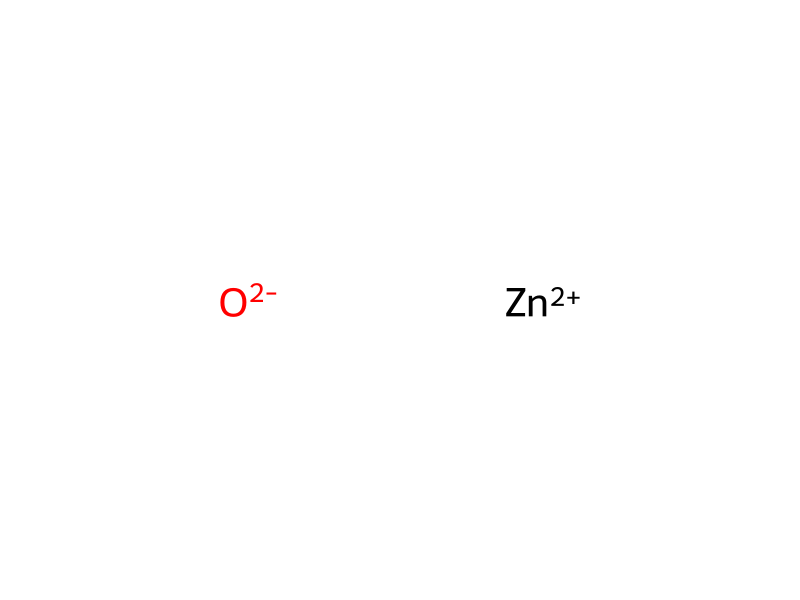
S([CH:5]([CH2:17]C(OCCCCCCCC)=O)[C:6]([O:8]CCCCCCCC)=[O:7])(O)(=O)=O.[Na].[O-2].[Zn+2:31].[C:32]([OH:36])(=[O:35])[CH:33]=[CH2:34]>C1(C)C=CC=CC=1>[C:6]([O-:8])(=[O:7])[CH:5]=[CH2:17].[Zn+2:31].[C:32]([O-:36])(=[O:35])[CH:33]=[CH2:34]참가 물질




실험 절차
U.S. Pat. No. 5,789,616 disclosed a process comprising adding at the first an anionic surfactant, sodium dioctyl sulfosuccinate, in toluene, following with adding successively zinc oxide, fatty acid and acrylic acid, and, after completion of the reaction, drying by distillation at a reduced pressure, and pulverizing and sieving the thus produced crude product to yield a modified zinc acrylate powder having a particle size characterized in that 64% of particles<44 μm, 54% of particles<10 μm, and 41% of particles<5 μm, while the part that had a particle size of>105 μm and must be removed by sieving was estimated to be 31%. The anionic surfactant, i.e. sodium dicotyl sulfosuccinate, used in this technique to be added at the first stage of the reaction might cause the swelling of the content in the reaction mixture such that in the subsequent addition of acrylic acid, might lead to local thickening and hence difficulty for stirring, and therefore, the reaction could be completely only through slow addition of raw material and postponing the reaction time. This might be the cause that made the zinc acrylate powder thus produced coarser and the particle size distributions non-uniform. On the other hand, it had an advantage that the trouble of sticking the wall of the reactor and the drying tank in the course of drying could be avoided.
후처리
- customafter completion of the reaction
- customdrying by distillation at a reduced pressure
- filtrationsieving the
- customthus produced crude product
출처 및 근거
- ORD 기록
- ord-61042bf3b07b46f78ddf09589243a461
- 출처 데이터셋
- uspto-grants-2001_08
- 특허 번호
- US06278010B1
연결된 노트
불러오는 중…