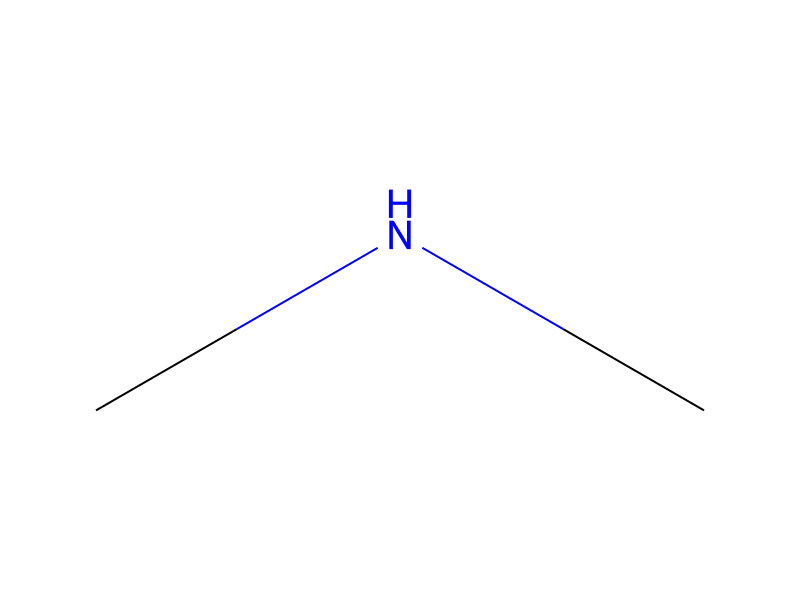
To a stirred solution of 25 g. (0.1 mole) of 3,5-di(t-butyl)-4-hydroxybenzoic acid in 200 ml. of dichloromethane is added 1 ml. of N,N-dimethylformamide and 0.11 mole of thionyl chloride. The mixture is heated at its reflux temperature for 40 minutes, then 0.1 mole of aqueous dimethylamine is added dropwise. The mixture is stirred for three hours and extracted twice with dichloromethane. The dichloromethane extracts are dried then evaporated to provide a residue which is recrystallized from a benzene-hexane mixture. The while solid is dissolved in dichloromethane, washed twice with 10 percent sodium hydroxide solution, then the dichloromethane layer is evaporated under vacuum. The product is recrystallized twice from a benzene-hexane mixture to provide 3,5-di(t-butyl)-4-hydroxy-N,N-dimethylbenzamide, m.p. 173°-174.5° C.