Methylamine → 4-(4-Chloro-3-methylsulfamoylphenyl)-2-(4-methoxyphenylimino)-3-methyl-4-thiazoline hydrochloride
반응식

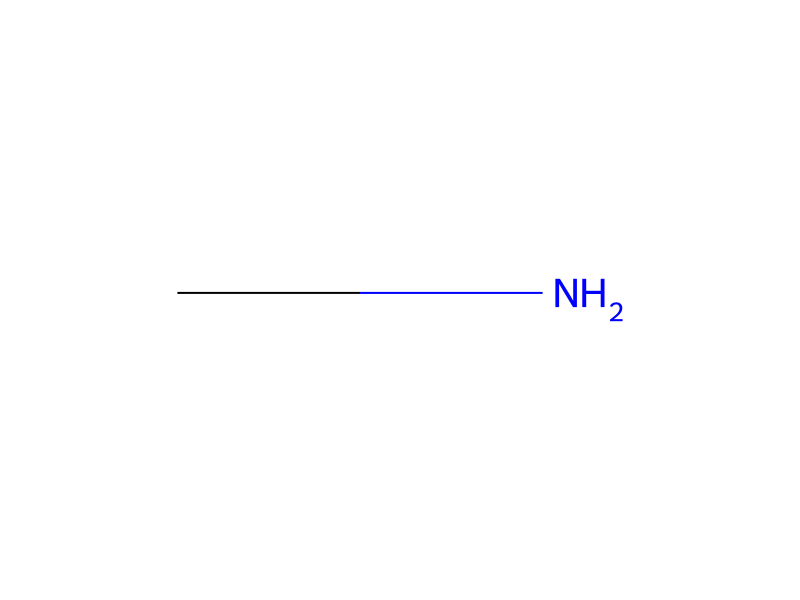
Br.[Cl:2][C:3]1[CH:8]=[CH:7][C:6]([C:9]2(O)[CH2:13][S:12][C:11](=[N:14][C:15]3[CH:20]=[CH:19][C:18]([O:21][CH3:22])=[CH:17][CH:16]=3)[N:10]2[CH3:23])=[CH:5][C:4]=1[S:25](Cl)(=[O:27])=[O:26].[CH3:29][NH2:30]>CO>[ClH:2].[Cl:2][C:3]1[CH:8]=[CH:7][C:6]([C:9]2[N:10]([CH3:23])[C:11](=[N:14][C:15]3[CH:20]=[CH:19][C:18]([O:21][CH3:22])=[CH:17][CH:16]=3)[S:12][CH:13]=2)=[CH:5][C:4]=1[S:25](=[O:27])(=[O:26])[NH:30][CH3:29]참가 물질
4



실험 절차
10.6 g (0.02 mole) of 4-(4-chloro-3-chlorosulfonylphenyl)-2-(4-methoxyphenyl-imino)-3-methylthiazolidin-4-ol hydrobromide are introduced into a mixture of 10 ml of 40% strength aqueous methylamine and 150 ml of methanol and the resulting mixture is stirred for 20 hours at room temperature. The solvent is distilled off, the residue is taken up in 100 ml of ethanol and this solution is acidified with methanolic or ethanolic hydrogen chloride solution and heated at the boil for 2 hours. The solvent is distilled off, the residue is crystallized under ether, ethyl acetate or diisopropyl ether and the crystals are filtered off. Melting point 257° C. (with decomposition) (from isopropanol).