Water → [1,1'-Biphenyl]-4,4'-dicarboxaldehyde
HRID 729215
반응식

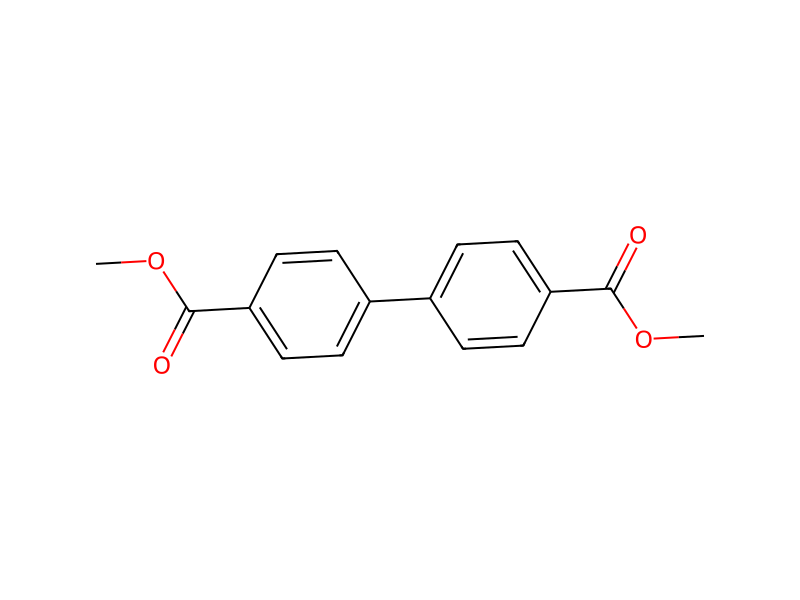
[C:1]1([C:11]2[CH:16]=[CH:15][C:14]([C:17](OC)=[O:18])=[CH:13][CH:12]=2)[CH:6]=[CH:5][C:4]([C:7](OC)=[O:8])=[CH:3][CH:2]=1.C1COCC1.O>C(Cl)Cl>[C:11]1([C:1]2[CH:6]=[CH:5][C:4]([CH:7]=[O:8])=[CH:3][CH:2]=2)[CH:16]=[CH:15][C:14]([CH:17]=[O:18])=[CH:13][CH:12]=1참가 물질
5




실험 절차
Next, 27.1 g (0.10 mole) of dimethyl 4,4′-biphenyldicarboxylate and 133.4 g of THF were introduced to a 2000-ml four-necked reaction vessel. To this solution was added the reagent solution prepared above in drops at 5° C. or below. After the dropwise addition, stirring was continued at 15° C. for 4.5 hours. Upon completion of the reaction, extraction was performed by adding in drops 622.2 g of methylene chloride and 411.2 g of water. The methylene chloride layer obtained was concentrated until dryness under reduced pressure. The residue was dissolved in acetone by adding 303.2 g of acetone in drops and then 1600.3 g of water was added in drops at 20° C. Thereafter, the mixture was stirred day and night at 5° C. and a solid was recovered by filtration. The solid thus obtained was washed with acetone and dried under reduced pressure to give 18.1 g of 4,4′-biphenyldicarboxaldehyde.