Potassium Carbonate → [4-(1,3-Dibenzyl-2-methyl-1H-indol-5-yl)-phenoxy]-acetonitrile
반응식

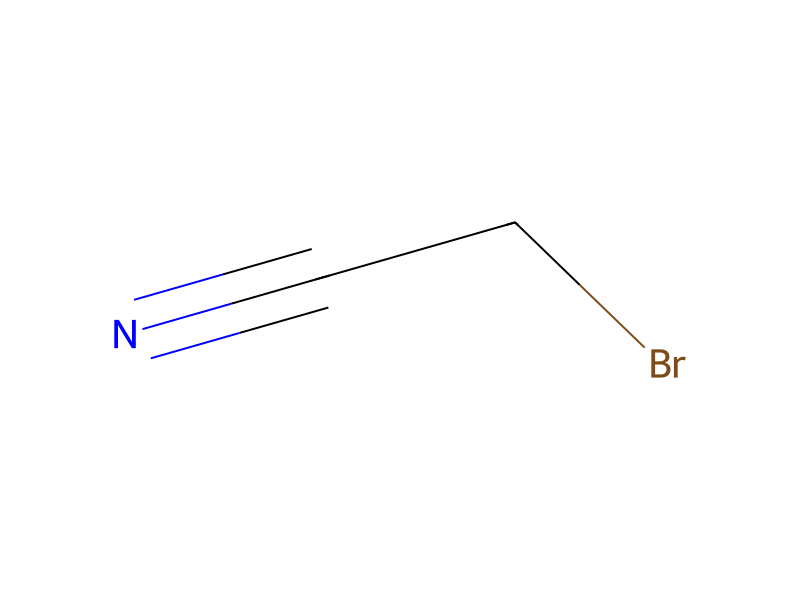
[CH2:1]([N:8]1[C:16]2[C:11](=[CH:12][C:13]([C:17]3[CH:22]=[CH:21][C:20]([OH:23])=[CH:19][CH:18]=3)=[CH:14][CH:15]=2)[C:10]([CH2:24][C:25]2[CH:30]=[CH:29][CH:28]=[CH:27][CH:26]=2)=[C:9]1[CH3:31])[C:2]1[CH:7]=[CH:6][CH:5]=[CH:4][CH:3]=1.C([O-])([O-])=O.[K+].[K+].Br[CH2:39][C:40]#[N:41]>CC(C)=O>[CH2:1]([N:8]1[C:16]2[C:11](=[CH:12][C:13]([C:17]3[CH:22]=[CH:21][C:20]([O:23][CH2:39][C:40]#[N:41])=[CH:19][CH:18]=3)=[CH:14][CH:15]=2)[C:10]([CH2:24][C:25]2[CH:30]=[CH:29][CH:28]=[CH:27][CH:26]=2)=[C:9]1[CH3:31])[C:2]1[CH:3]=[CH:4][CH:5]=[CH:6][CH:7]=1참가 물질
5




실험 절차
The desired product was prepared using a procedure similar to step 5 of example 3. Thus, 4-(1,3-dibenzyl-2-methyl-1H-indol-5-yl)-phenol (0.164 g, 0.406 mmol) was reacted with K2CO3 (0.073 g, 0.528 mmol) and bromoacetonitrile (0.063 g, 0.528 mmol) in acetone (5 ml) to give the product (0.164 g, 0.371 mmol, 91%) as a pale-yellow, viscous oil. 1H NMR (DMSO-d6) a 2.35 (s, 3H), 4.11 (s, 2H), 5.18 (s, 2H), 5.43 (s, 2H), 6.99 (d, J=7.2 Hz, 2H), 7.09-7.13 (m, 3H), 7.20-7.26 (m, 5H), 7.27-7.30 (m, 3H), 7.41 (d, J=8.4 Hz, 1H), 7.56-7.59 (m, 2H), 7.62 (d, J=1.7 Hz, 1H); [ESI(+)], m/z 443 (M+H)+.