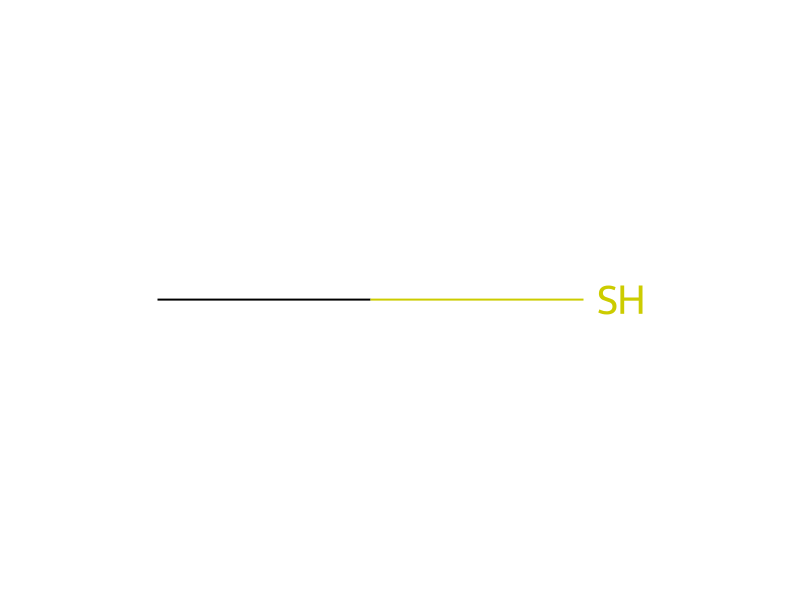
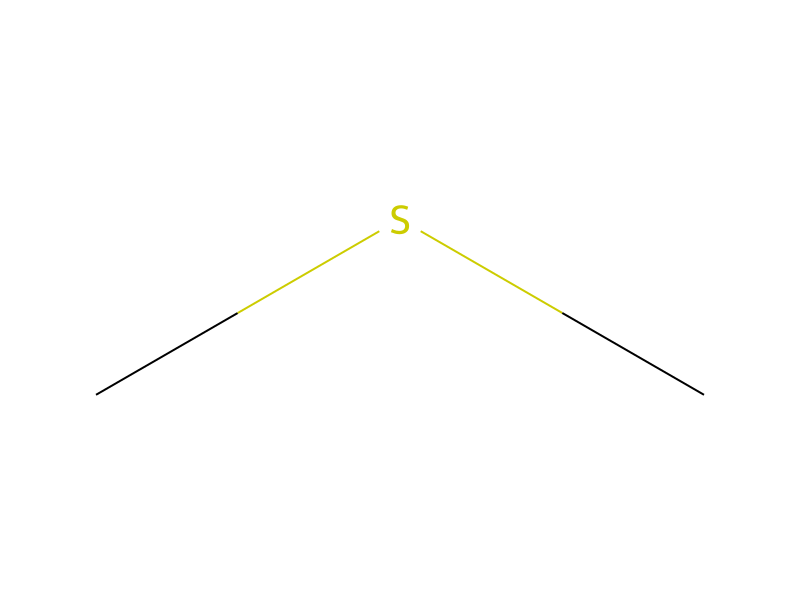
Ethanol → Dimethyl Sulfide
HRID 748662
반응식

[S].[CH3:2][SH:3].[CH2:4]([SH:6])[CH3:5].CO.[CH2:9](O)[CH3:10]>>[CH3:9][S:6][CH3:4].[CH3:2][S:3][CH2:4][CH3:5].[S:6]([CH2:9][CH3:10])[CH2:4][CH3:5][S].[CH3:2][SH:3].[CH2:4]([SH:6])[CH3:5].CO.[CH2:9](O)[CH3:10]>>[CH3:9][S:6][CH3:4].[CH3:2][S:3][CH2:4][CH3:5].[S:6]([CH2:9][CH3:10])[CH2:4][CH3:5]To produce a sulfide, the sulfur compound reactant stream 10b can be a mercaptan, such as methanethiol (methyl mercaptan) or ethanethiol (ethyl mercaptan). Either one of these mercaptans can be reacted with methanol or ethanol as the alcohol feed stream 8b to produce 2-thiopropane (dimethyl sulfide), 1-(methylthio)ethane (methyl ethyl sulfide), or 1,1′-thiobisethane (diethyl sulfide), depending upon the selected sulfur compound reactant stream 10b and alcohol feed stream 8b. For example, methanethiol (methyl mercaptan) can be reacted with methanol, in the presence of the catalyst blend 5b of the present invention, to produce 2-thiopropane (dimethyl sulfide) or with ethanol to produce 1-(methylthio)ethane (methyl ethyl sulfide). As another example, ethanethiol (ethyl mercaptan) can be reacted with methanol to produce 1-(methylthio)ethane (methyl ethyl sulfide) or with ethanol to produce 1,1′-thiobisethane (diethyl sulfide). As shown in FIG. 3, the catalyst blend 5b includes a plurality of zones with each zone having a lower volumetric ratio of the alumina diluent B to the hydrotreating catalyst A than the previous zone.