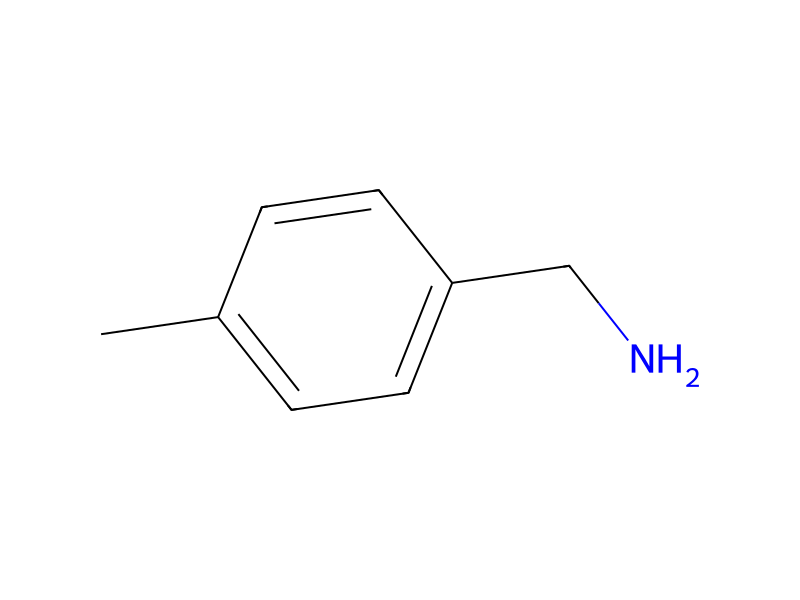
Potassium Carbonate → 5-[4-Chloro-6-(4-methyl-benzylamino)-[1,3,5]-triazin-2-ylamino]-3-methyl-imidazolidine-2,4-dione
HRID 76337
반응식

Cl[C:2]1[N:7]=[C:6]([Cl:8])[N:5]=[C:4]([NH:9][CH:10]2[NH:14][C:13](=[O:15])[N:12]([CH3:16])[C:11]2=[O:17])[N:3]=1.C(=O)([O-])[O-].[K+].[K+].[CH3:24][C:25]1[CH:32]=[CH:31][C:28]([CH2:29][NH2:30])=[CH:27][CH:26]=1>CN(C)C=O.O.C(OCC)(=O)C>[Cl:8][C:6]1[N:7]=[C:2]([NH:30][CH2:29][C:28]2[CH:31]=[CH:32][C:25]([CH3:24])=[CH:26][CH:27]=2)[N:3]=[C:4]([NH:9][CH:10]2[NH:14][C:13](=[O:15])[N:12]([CH3:16])[C:11]2=[O:17])[N:5]=1