7-Bromo-4-methyl-3,4-dihydro-1H-benzo[E][1,4]diazepine-2,5-dione → HCID 20487135, 화합물
반응식

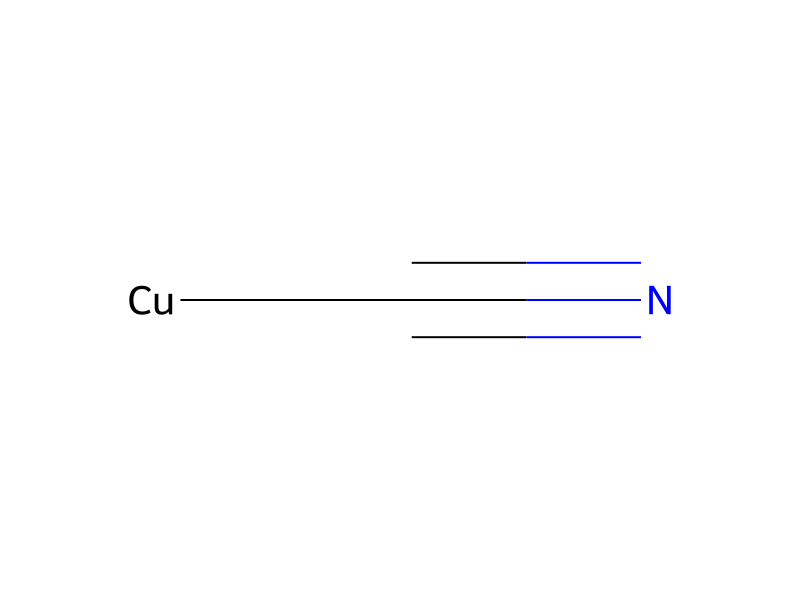
Br[C:2]1[CH:3]=[CH:4][C:5]2[NH:11][C:10](=[O:12])[CH2:9][N:8]([CH3:13])[C:7](=[O:14])[C:6]=2[CH:15]=1.[Cu][C:17]#[N:18]>N1C=CC=CC=1>[C:17]([C:2]1[CH:3]=[CH:4][C:5]2[NH:11][C:10](=[O:12])[CH2:9][N:8]([CH3:13])[C:7](=[O:14])[C:6]=2[CH:15]=1)#[N:18]참가 물질
4



실험 절차
15.0 g of 7-bromo-3,4-dihydro-4-methyl-2H-1,4-benzodiazepine-2,5(1H)-dione and 7.5 g of copper (I) cyanide (freshly prepared) are mixed well in a mortar and heated from 165° to 195° with 7.2 ml of dry pyridine (freshly distilled over potassium hydroxide) under argon over a period of 3 hours. After cooling to 150°, the solid mass is dissolved in about 250 ml of boiling dimethylformamide. The mixture is left to cool, poured into 800 ml of ice-water and extracted three times with 500 ml of chloroform each time. The organic extracts are washed with 250 ml of 2 N hydrochloric acid and three times with 500 ml of water each time, dried in the presence of active carbon and evaporated. The residue is dissolved in about 1 l of methanol. The solution is concentrated to a volume of 250 ml, treated with active carbon and cooled to 5°. The precipitated material is filtered off under suction and dried, there being obtained 7-cyano-3,4-dihydro-4-methyl-2H-1,4-benzodiazepine-2,5(1H)-dione as white crystals of melting point 256°-258°.