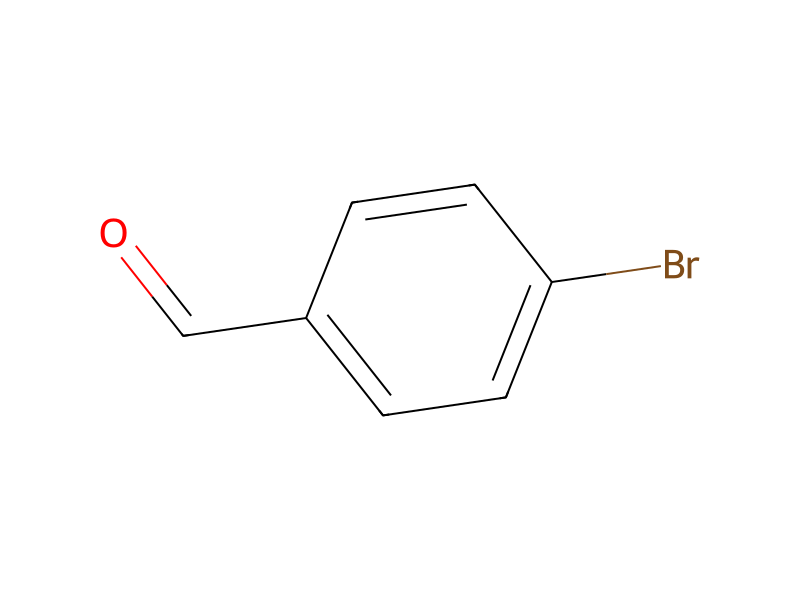
A mixture of 4-bromobenzaldehyde (2 g, 10.8 mmol), diethyl(3-pyridyl)borane (1.75 g, 11.9 mmol), tetrakis(triphenylphosphine)palladium (375 mg, 0.32 mmol), and 2N sodium carbonate aqueous solution(10.8 ml, 21.6 mmol) in toluene (40 ml) was heated under reflux under a nitrogen atmosphere overnight. The reaction mixture was allowed to return to room temperature and diluted with ethyl acetate. The mixture was washed with water and brine, and dried over sodium sulfate. After filtration, the filtrate was concentrated under reduced pressure, and the residue was purified by silica gel column chromatography (n-hexane/ethyl acetate=1/1) to afford 4-(pyridin-3-yl)benzaldehyde (1.43 g, yield 72%) as a pale yellow crystalline powder.