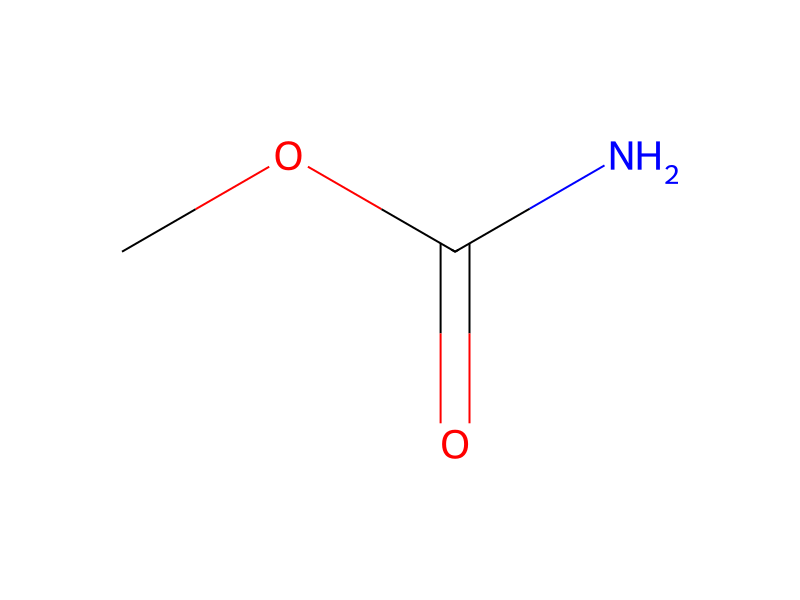
A 25-mL microwave vial equipped with a magnetic stirrer was charged with 102a (1.00 g, 3.83 mmol), methyl carbamate (575 mg, 7.66 mmol), trifluoroacetic acid (871 mg, 7.66 mmol), triethylsilane (888 mg, 7.66 mmol) and acetonitrile (10 mL). The vial was loaded in a Biotage microwave and heated at 130° C. for 1.5 h. After this time, the solution was concentrated in vacuo. The resulting residue was partitioned between methylene chloride (100 mL) and a saturated aqueous sodium bicarbonate (30 mL). The aqueous layer was extracted with methylene chloride (3×20 mL). The combined organic layers were washed with brine (30 mL), dried over sodium sulfate and concentrated under reduced pressure. The residue was purified by column chromatography (silica, 0% to 60% ethyl acetate/hexanes) to afford a 71% yield (858 mg) of 102b as a colorless oil; 1H NMR (300 MHz, CDCl3) δ 7.42 (s, 1H), 7.29 (m, 1H), 7.12 (d, 1H, J=7.7 Hz), 5.60 (br s, 1H), 4.27 (br s, 2H), 3.65 (s, 3H), 3.57 (q, 2H, J=6.8 Hz), 3.20 (q, 2H, J=6.7 Hz), 1.31 (s, 9H), 1.26 (t, 3H, J=6.7 Hz), 1.09 (t, 3H, J=6.8 Hz); MS (ESI+) m/z 321.2 (M+H).