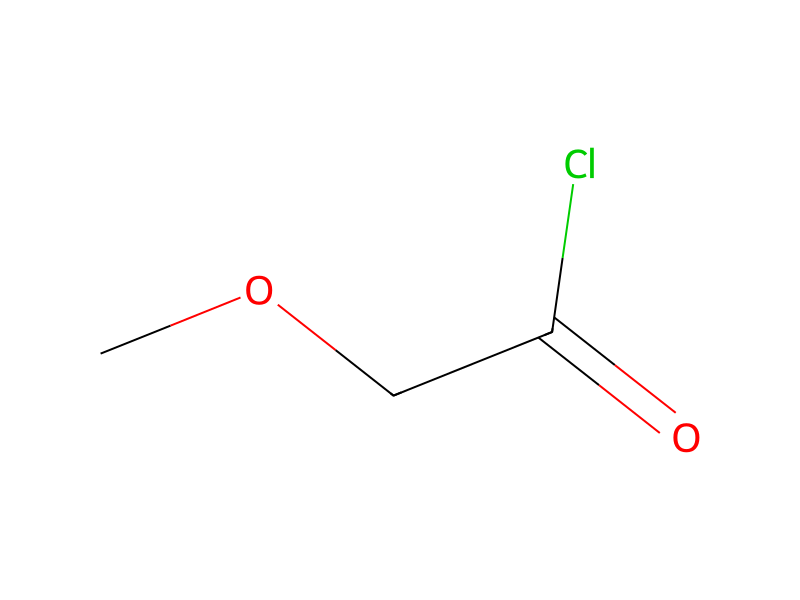
A suspension of 8-bromo-4,5-dihydro-6-oxa-1,3a-diaza-benzo[e]azulene-2-carboxylic acid N-isopropyl-hydrazide dihydrochloride (2.69 g, 6.1 mmol) in DCM (61 mL) was treated with TEA (3.84 mL, 27.6 mmol). The resultant solution was cooled to 0° C. before methoxyacetyl chloride (1.12 mL, 12.3 mmol) was added dropwise and the reaction stirred at 0° C. for 1.75 h. The reaction was quenched with saturated sodium bicarbonate solution and the phases separated. The aqueous phase was extracted with DCM (×2) before the combined organic phases were washed sequentially with 10% citric acid solution, saturated sodium bicarbonate solution and brine. The organic solution was dried (Na2SO4), concentrated in vacuo and the resultant solid was triturated with diethyl ether to give 8-Bromo-4,5-dihydro-6-oxa-1,3a-diaza-benzo[e]azulene-2-carboxylic acid N-isopropyl-N′-(2-methoxy-acetyl)-hydrazide as an off-white solid (2.29 g, 5.24 mmol, 86%). LCMS RT=4.29 min, [M+H]+=437/439. 1H NMR 400 MHz (DMSO-d) δ: 9.61 (1H, s), 8.29 (1H, d, J=8.63 Hz), 7.71 (1H, s), 7.27 (1H, dd, J=8.64, 2.06 Hz), 7.21 (1H, d, J=2.06 Hz), 4.84 (1H, t, J=6.91 Hz), 4.45 (4H, s), 3.92 (2H, s), 3.33 (3H, s), 1.15 (6H, d, J=6.66 Hz)