홈MCP워크벤치Skills
홈워크벤치알림마이페이지
llms.txt · MCP 가이드개인정보처리방침 · 이용약관 · 지원v1.8.3
  1. 홈
  2. /반응

N-Methyl dicyclohexylamine → tert-Butyl 4-((1-(6-chloro-2-oxo-1,3-bis((2-(trimethylsilyl)ethoxy)methyl)-2,3-dihydro-1H-benzo[d]imidazol-4-yl)vinyloxy)methyl)-4-(4-fluorophenyl)piperidine-1-carboxylate

HRID 913939
인쇄

반응식

HRID 913939 반응식
C[Li].[Cl:3][C:4]1[CH:5]=[C:6]([C:30]([O:32][CH2:33][C:34]2([C:47]3[CH:52]=[CH:51][C:50]([F:53])=[CH:49][CH:48]=3)[CH2:39][CH2:38][N:37]([C:40]([O:42][C:43]([CH3:46])([CH3:45])[CH3:44])=[O:41])[CH2:36][CH2:35]2)=O)[C:7]2[N:11]([CH2:12][O:13][CH2:14][CH2:15][Si:16]([CH3:19])([CH3:18])[CH3:17])[C:10](=[O:20])[N:9]([CH2:21][O:22][CH2:23][CH2:24][Si:25]([CH3:28])([CH3:27])[CH3:26])[C:8]=2[CH:29]=1.[CH:54]1(N(C)C2CCCCC2)CCCCC1>C1(C)C=CC=CC=1.[Cl-].[Cl-].[CH-]1C=CC=C1.[CH-]1C=CC=C1.[Ti+2]>[Cl:3][C:4]1[CH:5]=[C:6]([C:30]([O:32][CH2:33][C:34]2([C:47]3[CH:48]=[CH:49][C:50]([F:53])=[CH:51][CH:52]=3)[CH2:39][CH2:38][N:37]([C:40]([O:42][C:43]([CH3:45])([CH3:46])[CH3:44])=[O:41])[CH2:36][CH2:35]2)=[CH2:54])[C:7]2[N:11]([CH2:12][O:13][CH2:14][CH2:15][Si:16]([CH3:19])([CH3:17])[CH3:18])[C:10](=[O:20])[N:9]([CH2:21][O:22][CH2:23][CH2:24][Si:25]([CH3:26])([CH3:28])[CH3:27])[C:8]=2[CH:29]=1
참가 물질반응 조건실험 절차후처리출처 및 근거반응 노트

참가 물질

6

반응물 3

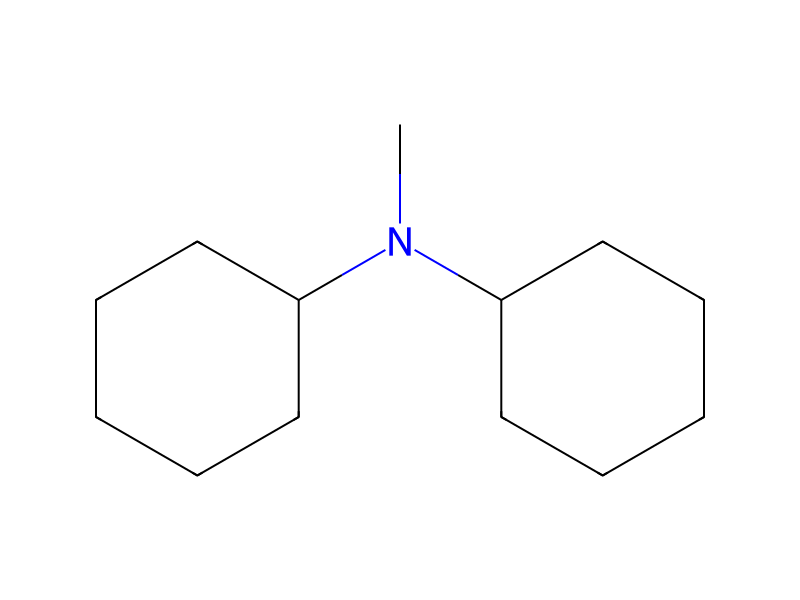
HCID 24210N-Methyl dicyclohexylamineHCID 57546185(1-(tert-Butoxycarbonyl)-4-(4-fluorophenyl)piperidin-4-yl)methyl 6-chloro-2-oxo-1,3-bis((2-(trimethylsilyl)ethoxy)methyl)-2,3-dihydro-1H-benzo[d]imidazole-4-carboxylateHCID 178418348HCID 178418348, 화합물

생성물 1

HCID 57545986tert-Butyl 4-((1-(6-chloro-2-oxo-1,3-bis((2-(trimethylsilyl)ethoxy)methyl)-2,3-dihydro-1H-benzo[d]imidazol-4-yl)vinyloxy)methyl)-4-(4-fluorophenyl)piperidine-1-carboxylate

시약·촉매·용매 2

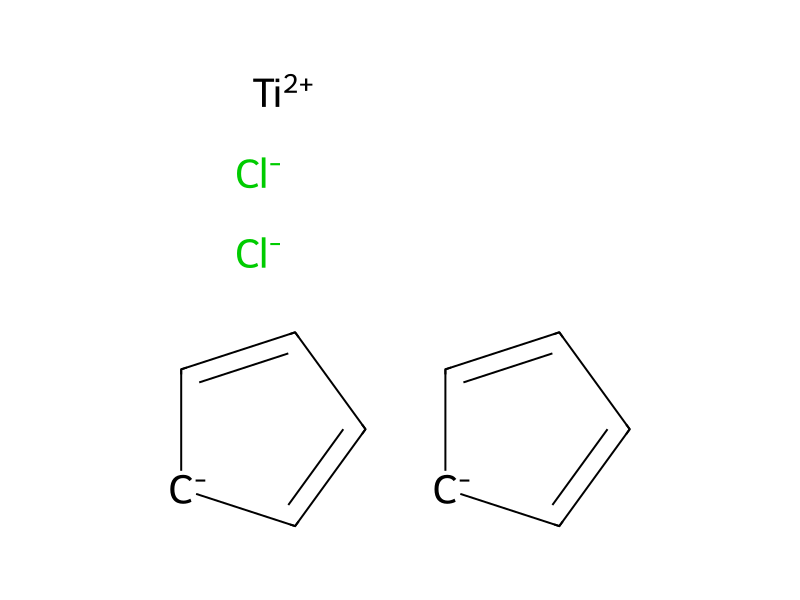
HCID 124040768Titanocene dichioride촉매HCID 1140Toluene용매

반응 조건

온도
0 °C

실험 절차

General Note: The reaction was run in such a way as to minimize exposure to light. Reactions were run under a layer of foil to block light and the lab lights were turned off while manipulating the reaction mixtures. To a suspension of titanocenedichloride (0.560 g, 2.198 mmol) in toluene (18 mL) at 0° C. was added methyllithium (1.6 M in diethyl ether, 3.4 mL, 5.5 mmol) dropwise. The reaction was stirred at 0° C. for 1 h. The reaction was quenched by addition of 9 mL of a 6% ammonium chloride solution. The heterogeneous mixture was filtered through a course frit and added to the sep funnel. The layers were separated and the organic layer dried over magnesium sulfate. The solution was filtered and treated with (1-(tert-butoxycarbonyl)-4-(4-fluorophenyl)piperidin-4-yl)methyl 6-chloro-2-oxo-1,3-bis((2-(trimethylsilyl)ethoxy)methyl)-2,3-dihydro-1H-benzo[d]imidazole-4-carboxylate (0.560 g, 0.733 mmol) and N-cyclohexyl-N-methylcyclohexanamine (0.078 mL, 0.366 mmol) and the mixture concentrated to ca. ⅓ its volume. The bath temperature was maintained at 30° C. while the reaction mixture was being concentrated. The reaction flask was flushed with a stream of nitrogen and fitted with a reflux condenser and the resulting solution was placed in an oil bath preheated to 80° C. The bath temperature was set to 80° C. and stirred at that temperature for 2 h. The reaction was diluted with ˜20 mL of hexanes to precipitate some of the titanocenes with stirring. To decompose the remaining titanocene, silica gel (excess) was added as a solid with vigorous stirring to the suspension at 0° C. The ice bath was removed and stirring continued for 15 min. The resulting suspension was filtered and the resulting pad washed with 25% ethyl acetate/n-hexane. The mother liquor was concentrated and loaded onto a silica gel column (10% ethyl acetate/n-hexane). After several volumes at 10%, the gradient was ramped to 25% ethyl acetate/n-hexane to give 470 mg (84%) as a very faint yellow solid. 1H-NMR (CD3OD, 500 MHz) δ 7.36 (dd, J=8.9, 5.2 Hz, 2H), 7.19 (d, J=2.1 Hz, 1H), 7.02 (m, 2H), 6.84 (d, J=2.1 Hz, 1H), 5.24 (s, 2H), 4.59 (s, 2H), 4.43 (d, J=2.7 Hz, 1H), 4.22 (d, J=2.5 Hz, 1H), 3.78 (s, 2H), 3.69 (m, 2H), 3.54 (t, J=7.8 Hz, 2H), 3.26 (m, 2H), 2.94 (bs, 2H), 2.19 (m, 2H), 1.78 (m, 2H), 1.36 (s, 9H), 0.85 (t, J=7.9 Hz, 2H), 0.66 (t, J=7.9 Hz, 2H), −0.10 (s, 9H), −0.16 (s, 9H); 13C NMR (126 MHz, CD3OD) δ ppm 163.0 (d, J=245 Hz), 158.7, 156.5 (d, J=14 Hz), 139.4 (d, J=3.8 Hz), 131.8, 130.6 (d, J=7.7 Hz), 128.3, 125.6, 125.1, 124.1, 116.3 (d, J=21 Hz), 110.7, 89.2, 81.1, 77.8, 71.6, 67.4, 66.9, 41.8, 33.2, 28.7, 18.63, 18.58, −1.29, −1.32. Mass spec.: 784.01 (MNa)+.

후처리

  1. customthe reaction mixtures
  2. customThe reaction was quenched by addition of 9 mL of a 6% ammonium chloride solution
  3. filtrationThe heterogeneous mixture was filtered through a course frit
  4. additionadded to the sep funnel
  5. customThe layers were separated
  6. dry with materialthe organic layer dried over magnesium sulfate
  7. filtrationThe solution was filtered
  8. concentrationthe mixture concentrated
  9. temperatureThe bath temperature was maintained at 30° C. while the reaction mixture
  10. concentrationwas being concentrated
  11. customThe reaction flask was flushed with a stream of nitrogen
  12. customfitted with a reflux condenser
  13. customthe resulting solution was placed in an oil bath
  14. custompreheated to 80° C
  15. customwas set to 80° C.
  16. stirringstirred at that temperature for 2 h
  17. additionThe reaction was diluted with ˜20 mL of hexanes
  18. customto precipitate some of the titanocenes
  19. stirringwith stirring
  20. additionwas added as a solid
  21. stirringwith vigorous stirring to the suspension at 0° C
  22. customThe ice bath was removed
  23. stirringstirring
  24. waitcontinued for 15 min
  25. filtrationThe resulting suspension was filtered
  26. washthe resulting pad washed with 25% ethyl acetate/n-hexane
  27. concentrationThe mother liquor was concentrated
  28. customto give 470 mg (84%) as a very faint yellow solid

출처 및 근거

ORD 기록
ord-a3dd676fd46b45eb8f2a9d725607fa68
출처 데이터셋
uspto-grants-2011_09
DOI
10.6084/m9.figshare.5104873.v1
특허 번호
US08026257B2

반응 노트

이 페이지에서참가 물질반응 조건실험 절차후처리출처 및 근거반응 노트