반응식

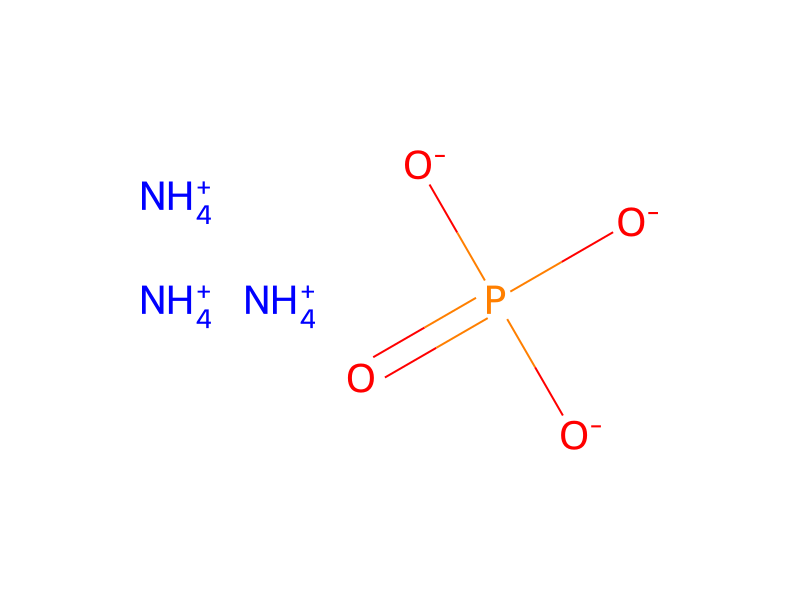
[Br:1][C:2]1[CH:3]=[C:4]([Cl:13])[CH:5]=[C:6]2[C:10]=1[NH:9][CH:8]=[C:7]2[CH:11]=O.P([O-])([O-])([O-])=O.[NH4+].[NH4+].[NH4+].[N+:22](CCC)([O-])=O>C(O)(=O)C>[Br:1][C:2]1[CH:3]=[C:4]([Cl:13])[CH:5]=[C:6]2[C:10]=1[NH:9][CH:8]=[C:7]2[C:11]#[N:22]참가 물질




실험 절차
A mixture of 7-bromo-5-chloro-1H-indole-3-carbaldehyde (0.80 g, 3.09 mmol), Ammonium phosphate, dibasic (1.269 mL, 15.47 mmol), and 1-nitropropane (0.276 mL, 3.09 mmol) in Acetic Acid (20 mL) was heated at reflux. The solvent was evaporated, the residue was taken up in aqueous sodium bicarbonate (300 mL) and extracted with ethyl acetate (3×20 mL). The organic layers were dried with MgSO4 and evaporated. The residue was purified by chromatography on SiO2 with 20%-25% ethyl acetate/hexanes to give 7-bromo-5-chloro-1H-indole-3-carbonitrile (0.43 g, 1.683 mmol, 54.4% yield) as a yellow solid. 1H-NMR (CDCl3, 400 MHz) δ 8.27 (bs, 1H), 7.79 (s, 1H), 7.72 (d, J=1.8 Hz, 1H), 7.49 (d, J=1.8 Hz, 1H). LC/MS (HPLC method 4): tR=3.12 min, 255.01(MH)+.
후처리
- temperaturewas heated
- temperatureat reflux
- customThe solvent was evaporated
- extractionextracted with ethyl acetate (3×20 mL)
- dry with materialThe organic layers were dried with MgSO4
- customevaporated
- customThe residue was purified by chromatography on SiO2 with 20%-25% ethyl acetate/hexanes
출처 및 근거
- ORD 기록
- ord-b014e68c04824017b8e7a4fd2023d96d
- 출처 데이터셋
- uspto-grants-2011_09
- 특허 번호
- US08026257B2
연결된 노트
불러오는 중…