Avobenzone → HCID 131730356, 화합물
HRID 920869
반응식

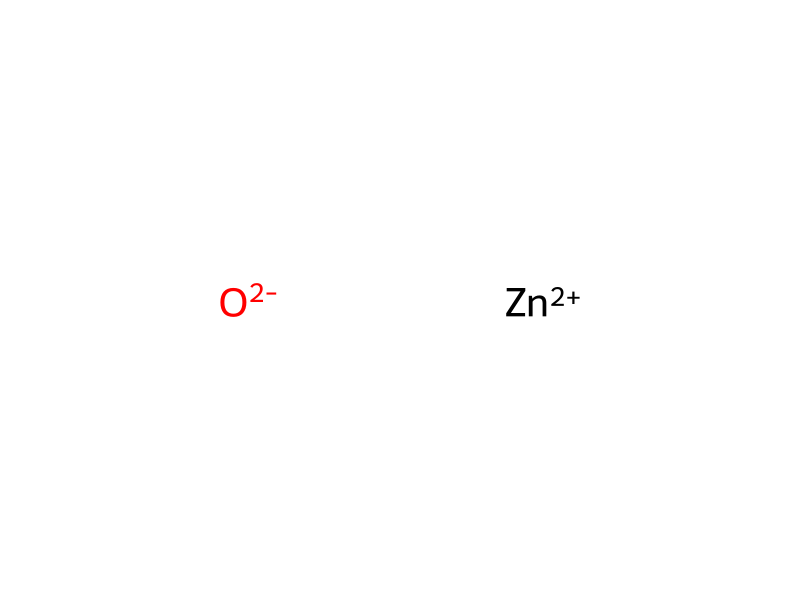
[O-2].[Zn+2:2].[CH3:3][C:4]([C:7]1[CH:8]=[CH:9][C:10]([C:13]([CH2:15][C:16]([C:18]2[CH:19]=[CH:20][C:21]([O:24][CH3:25])=[CH:22][CH:23]=2)=[O:17])=[O:14])=[CH:11][CH:12]=1)([CH3:6])[CH3:5]>>[O-2:14].[Zn+2:2].[CH3:6][C:4]([C:7]1[CH:8]=[CH:9][C:10]([C:13]([CH2:15][C:16]([C:18]2[CH:19]=[CH:20][C:21]([O:24][CH3:25])=[CH:22][CH:23]=2)=[O:17])=[O:14])=[CH:11][CH:12]=1)([CH3:3])[CH3:5]참가 물질
3


실험 절차
The methods of the present invention were used to produce complexes comprising zinc oxide and avobenzone (Parsol 1789 was the source for avobenzone) (see FIGS. 3A-C). Approximately 1 g zinc oxide was mixed with about 3.8 g Parsol 1789 in 250 mL anhydrous alcohol (mixture of methanol and isoppropanol). Mixing occurred in a sealed glass jar on a magnetic stirrer at ambient temperature. Complexes were visible within nine days of mixing. The complexes were isolated by filtering (via a Buchner funnel) after about 21 days of mixing, and the yield was approximately 92.5%. The zinc oxide/avobenzone complexes formed had no observable melting point, and IR spectroscopy confirmed that the complexes contained zinc oxide and avobenzone.