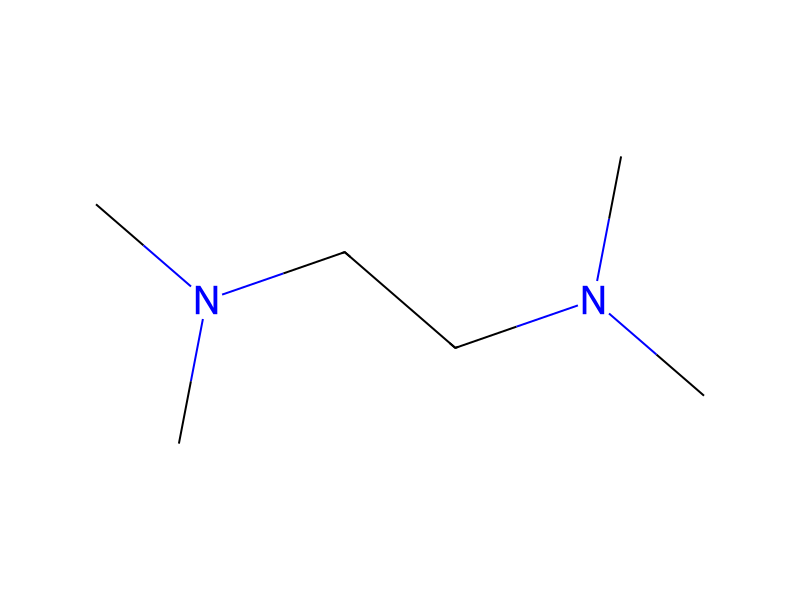
To a solution of 8-fluoro-6-(4-fluoro-phenyl)-3,4-dihydro-2H-pyrazino[1,2-a]indol-1-one (example 18) (0.1 g, 0.335 mmol) in acetonitrile (1 ml) and DMF (1 ml), N,N,N′,N′-tetra-methylethylenediamine (77.9 mg, 101 μl, 670 μmol) and tris(2,2′-biryridyl)ruthenium(II)-chloride hexahydrate (5.02 mg, 6.7 μmol) were added at room temperature. The vial was sealed, cooled to −78° C., and with the help of a needle trifluoroiodomethane (˜0.5 ml) was condensed into the reaction tube. A high lumen (6500K) cool daylight lamp was positioned in front of the reaction vial and the reaction was allowed to stir for 40 h at room temperature. The reaction mixture was poured into water (30 ml) and extracted with ethyl acetate (2×40 ml). The combined organic layers were washed with brine (30 ml), dried (MgSO4) and evaporated. The crude product was further purified by flash chromatography on silica gel (heptane/ethyl acetate 20-80%) and trituration (diethyl ether/heptane) to yield the title compound as a white solid (42 mg, 34%), MS (ISP) m/z=367.4 [(M+H)+], mp 193° C.