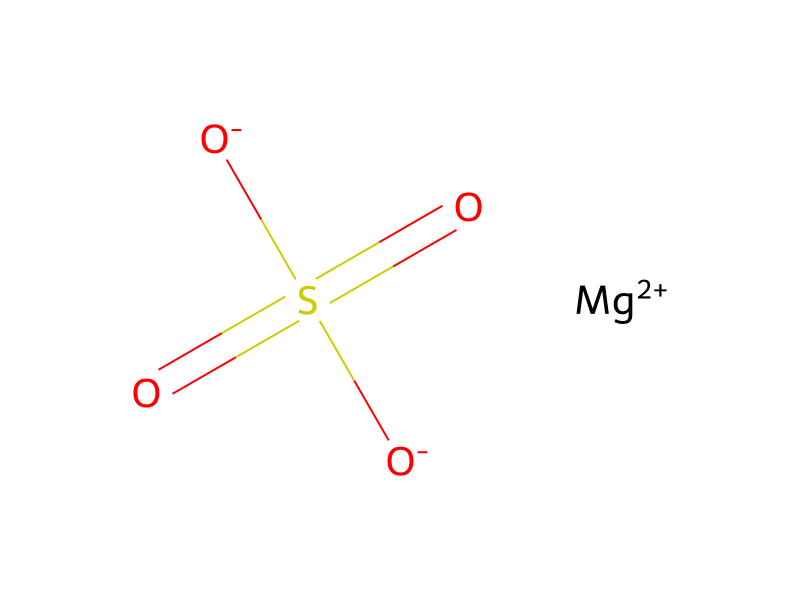
Sulfuric acid magnesium salt (1:1) → N-(6-Chloro-2-cyano-3-methylphenyl)-6-methylpyridine-2,3-dicarboximide
HRID 992851
반응식

[NH2:1][C:2]1[C:9]([Cl:10])=[CH:8][CH:7]=[C:6]([CH3:11])[C:3]=1[C:4]#[N:5].[CH3:12][C:13]1[N:18]=[C:17]2[C:19]([O:21][C:22](=O)[C:16]2=[CH:15][CH:14]=1)=[O:20].S([O-])([O-])(=O)=O.[Mg+2]>C(Cl)Cl>[Cl:10][C:9]1[C:2]([N:1]2[C:22](=[O:21])[C:16]3[C:17](=[N:18][C:13]([CH3:12])=[CH:14][CH:15]=3)[C:19]2=[O:20])=[C:3]([C:4]#[N:5])[C:6]([CH3:11])=[CH:7][CH:8]=1