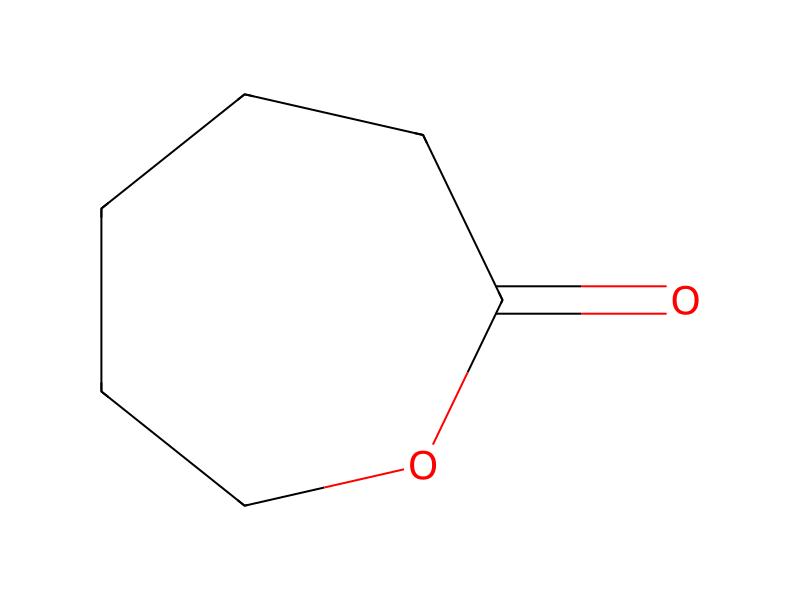
epsilon-CAPROLACTONE → 2-Ethylhexanol
Reaction equation

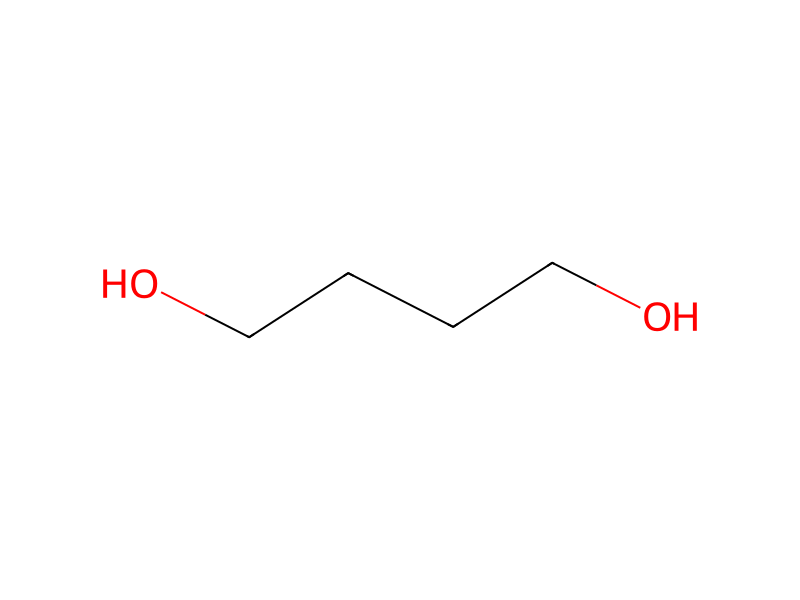
[C:1]1(=O)[O:7][CH2:6][CH2:5][CH2:4][CH2:3][CH2:2]1.[CH:9](O)([OH:13])[CH2:10]CC.[OH-].[K+]>>[CH2:6]([OH:7])[CH2:5][CH2:4][CH2:3][OH:13].[CH2:9]([CH:5]([CH2:4][CH2:3][CH2:2][CH3:1])[CH2:6][OH:7])[CH3:10]Participants



Conditions
- Temperature
- 80 °C
Procedure
350.0 g (1.47 gram equivalent) of the IPDI uretdione polyisocyanate from Example 1, which had a 19.2% content of uretdione groups after hot titration, was put in first under dry nitrogen and heated to 80° C. A mixture of 176.0 g (0.88 gram equivalent) of a commercial ε-caprolactone polyesterdiol started on 1.4 butanediol, with an OH number of 280 mg KOH/g (Capa 203, produced by Solvay), 19.8 g (0.44 gram equivalent) of 1,4-butanediol and 19.5 g (0.15 gram equivalent) of 2-ethyl-1-hexanol was added within 30 minutes and agitated at a maximum reaction temperature of 100° C. until the NCO content of the mixture had dropped to a value of 0.8% after about 4 hours. The melt was poured onto a metal sheet to cool it and a polyaddition compound, containing uretdione groups and appropriate for cross-linking coating powders, was obtained in the form of a solid, colorless resin. The product had the following properties:
Sources & evidence
- ORD record
- ord-b97c17345a334021adb9918951d4d9b2
- Source dataset
- uspto-grants-2004_09
- Patent number
- US06797800B2
Reaction notes
Loading…