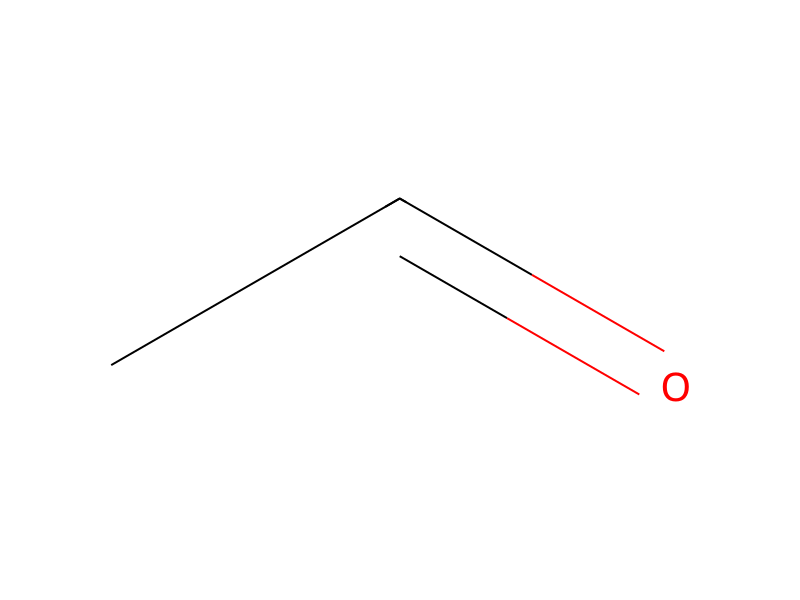
Acetaldehyde → HCID 86758610, compound
Reaction equation

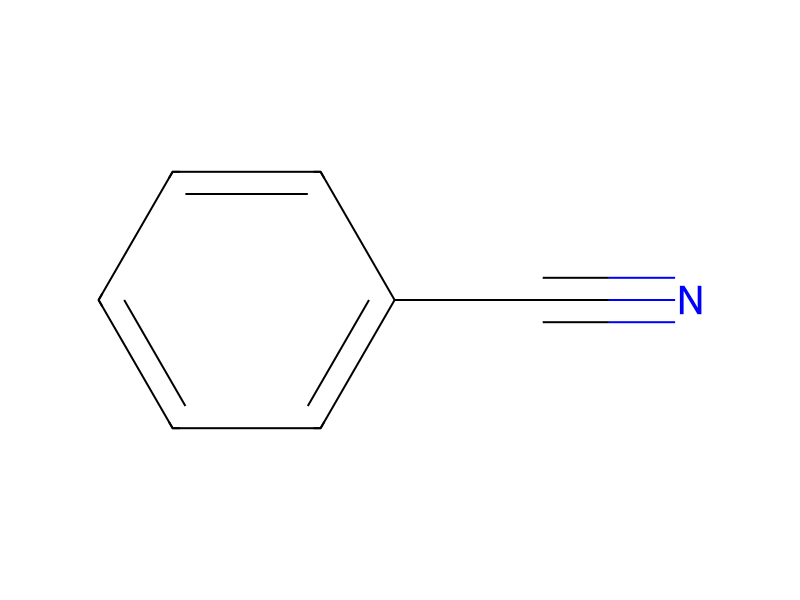
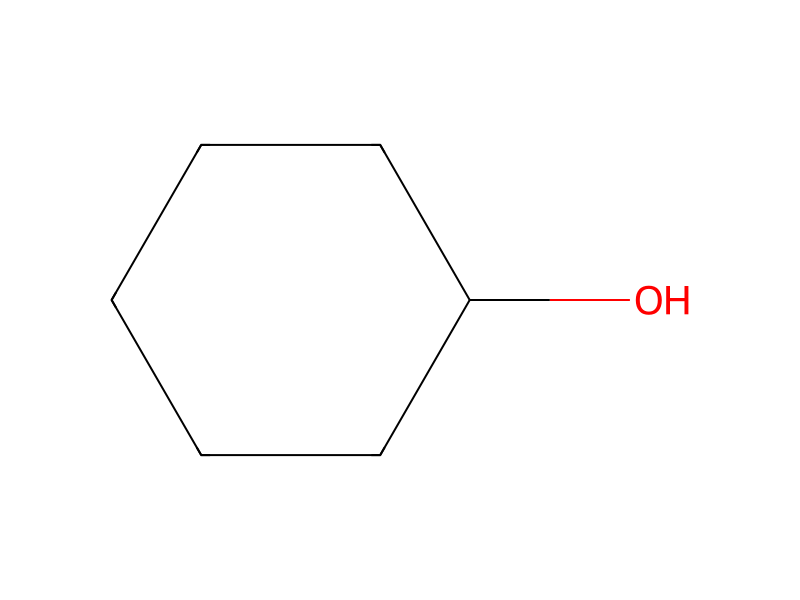
C1CCCCC1.[CH3:7][C:8]([O-:10])=[O:9].[CH3:11][C:12]([O-:14])=[O:13].[Cu+2:15].[CH:16](=[O:18])[CH3:17].O=O.C1(O)CCCCC1.C1(=O)CCCCC1.[C:35](#[N:42])[C:36]1[CH:41]=[CH:40][CH:39]=[CH:38][CH:37]=1>ClCCl>[CH3:7][C:8]([O-:10])=[O:9].[CH3:11][C:12]([O-:14])=[O:13].[Cu+2:15].[CH:16](=[O:18])[CH3:17].[C:35](#[N:42])[C:36]1[CH:41]=[CH:40][CH:39]=[CH:38][CH:37]=1Participants
9






Conditions
- Temperature
- 25 °C
Procedure
After cyclohexane (40 mmol), Cu(OAc)2 (2.5×10⁻³ mmol), acetaldehyde (4.0 mmol), benzonitrile (2.5 ml) and dichloromethane (2.5 ml) were charged into a 25-ml eggplant-type flask, and an oxygen balloon was attached to the flask for supplying oxygen at 1 atm. Then, the mixture was stirred at 25° C. for 48 hours. The reaction mixture was analyzed with the gas chromatography, which revealed that the yield of cyclohexanol was 9% (relative to 1 equivalent of acetaldehyde), that of cyclohexanone was 29% (relative to 2 equivalents of acetaldehyde), and the turnover number of the catalyst was 375.
Sources & evidence
- ORD record
- ord-850cc459c95344ea9d898676cc7a9aaf
- Source dataset
- uspto-grants-2002_11
- Patent number
- US06482989B2
Reaction notes
Loading…