Water → HCID 57316045, compound
Reaction equation

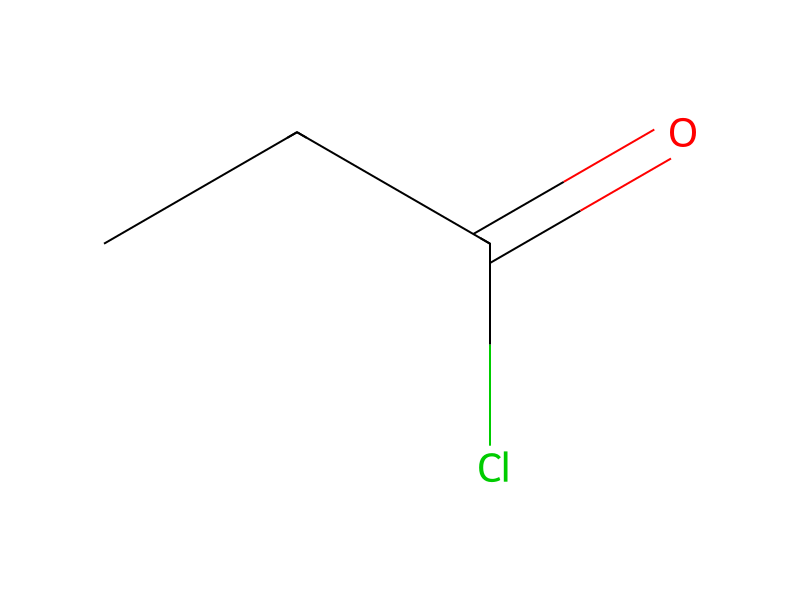
N1C=CC=CC=1.[C:7](Cl)(=[O:10])[CH2:8][CH3:9].[Cl:12][C:13]1[N:22]=[C:21]2[C:16]([CH:17]=[CH:18][C:19]([N:23]3[CH:31]([OH:32])[C:30]4[C:25](=[CH:26][CH:27]=[CH:28][CH:29]=4)[C:24]3=[O:33])=[N:20]2)=[CH:15][CH:14]=1.O>C(Cl)Cl>[C:7]([O:33][CH:24]1[C:25]2[C:30](=[CH:29][CH:28]=[CH:27][CH:26]=2)[C:31](=[O:32])[N:23]1[C:19]1[CH:18]=[CH:17][C:16]2[C:21](=[N:22][C:13]([Cl:12])=[CH:14][CH:15]=2)[N:20]=1)(=[O:10])[CH2:8][CH3:9]Participants





Conditions
- Temperature
- 25 °C
Procedure
Pyridine (24 cc) followed, in the course of 30 minutes, by propionyl chloride (5.5 g) are added successively to a solution of 2-(7-Chloro-1,8-naphthyridin-2-yl)-3-hydroxy-1-isoindolinone (3.2 g) in methylene chloride (160 cc), while the temperature is maintained in the region of 25° C. The mixture is stirred for 3 hours at this temperature and then treated with water (100 cc). The organic phase is separated after settling has occurred, washed with water, dried and concentrated to dryness under reduced pressure (2.7 kPa). The residue obtained is crystallized in isopropyl ether and then recrystallized in a mixture of isopropyl ether and ethyl acetate (25:75 by volume). 2-(7-Chloro-1,8-naphthyridin-2-yl)-3-oxo-1-isoindolinyl propionate (1 g), m.p. 160° C., is thereby obtained.
Workup
- customThe organic phase is separated after settling
- washwashed with water
- customdried
- concentrationconcentrated to dryness under reduced pressure (2.7 kPa)
- customThe residue obtained
- customis crystallized in isopropyl ether
- customrecrystallized in a mixture of isopropyl ether and ethyl acetate (25:75 by volume)
Sources & evidence
- ORD record
- ord-28b18fd774ee47eebf7842fceb381d66
- Source dataset
- uspto-grants-1992_04
- Patent number
- US05102890
Reaction notes
Loading…