Pyrogallol → 1,3,5-tris(2-hydroxyethoxy)benzene
Reaction equation

[C:1]1([CH:9]=[CH:8][CH:7]=[C:5]([OH:6])[C:3]=1O)[OH:2].[OH-:10].[Na+].[CH2:12]1[O:14][CH2:13]1>>[OH:10][CH2:3][CH2:1][O:2][C:8]1[CH:7]=[C:5]([O:6][CH2:7][CH2:5][OH:6])[CH:3]=[C:1]([O:2][CH2:13][CH2:12][OH:14])[CH:9]=1Participants

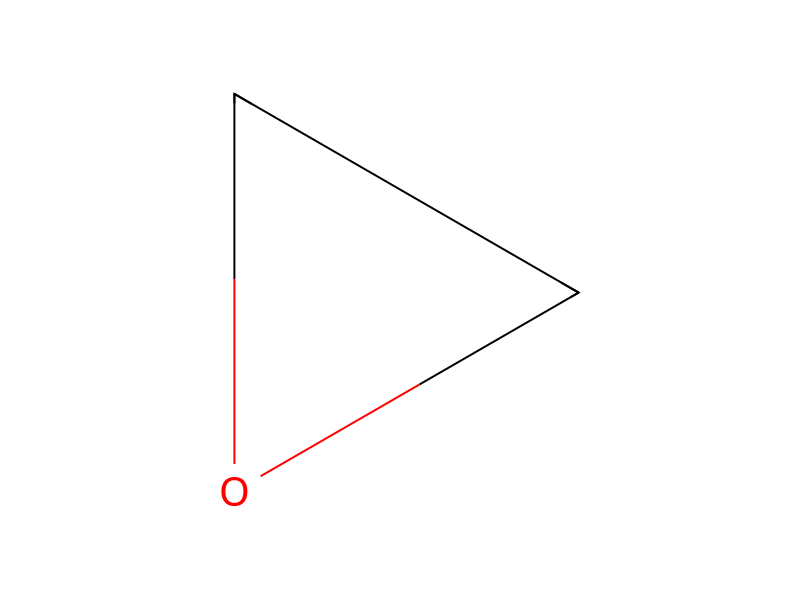


Conditions
- Temperature
- 140 °C
Procedure
Pyrogallol (378.3 g., 3 moles) and sodium hydroxide (0.5 g.) are charged into a one-liter autoclave. The mixture is heated to 140° C., purged three times with nitrogen and subjected to a vacuum of 20 mm Hg for one-half hour. Ethylene oxide (396 g., 9 moles) is then added at 30 psig; after all the ethylene oxide is consumed, the autoclave is purged two times with nitrogen and cooled to 30° C. Two hundred grams of the product is withdrawn and 10 g. of potassium hydroxide pellets is added to the autoclave. The autoclave is purged three times with nitrogen at 150° C. Acetylene (100 psig.) then is added and heating is continued for 16 hours to provide the trivinyl ether of 1,3,5-tris-(2-hydroxyethoxy) benzene, having the formula: ##STR3##
Workup
- custompurged three times with nitrogen
- waitsubjected to a vacuum of 20 mm Hg for one-half hour
- customafter all the ethylene oxide is consumed
- customthe autoclave is purged two times with nitrogen
- temperaturecooled to 30° C
- customTwo hundred grams of the product is withdrawn
- additionof potassium hydroxide pellets is added to the autoclave
- customThe autoclave is purged three times with nitrogen at 150° C
- additionAcetylene (100 psig.) then is added
- temperatureheating
Sources & evidence
- ORD record
- ord-64b6088f8eb141fa8a89954872323a80
- Source dataset
- uspto-grants-1992_04
- Patent number
- US05106885
Reaction notes
Loading…