Methylhydrazine → HCID 19025429, compound
Reaction equation

[Cl:1][C:2]1[CH:3]=[C:4]([N:14]=[C:15]=[S:16])[CH:5]=[C:6]([Cl:13])[C:7]=1[N:8]([CH2:11][CH3:12])[CH2:9][CH3:10].[CH3:17][NH:18][NH2:19]>C(O)C>[Cl:1][C:2]1[CH:3]=[C:4]([NH:14][C:15](=[S:16])[N:18]([CH3:17])[NH2:19])[CH:5]=[C:6]([Cl:13])[C:7]=1[N:8]([CH2:11][CH3:12])[CH2:9][CH3:10]Participants
4
Reactant 2
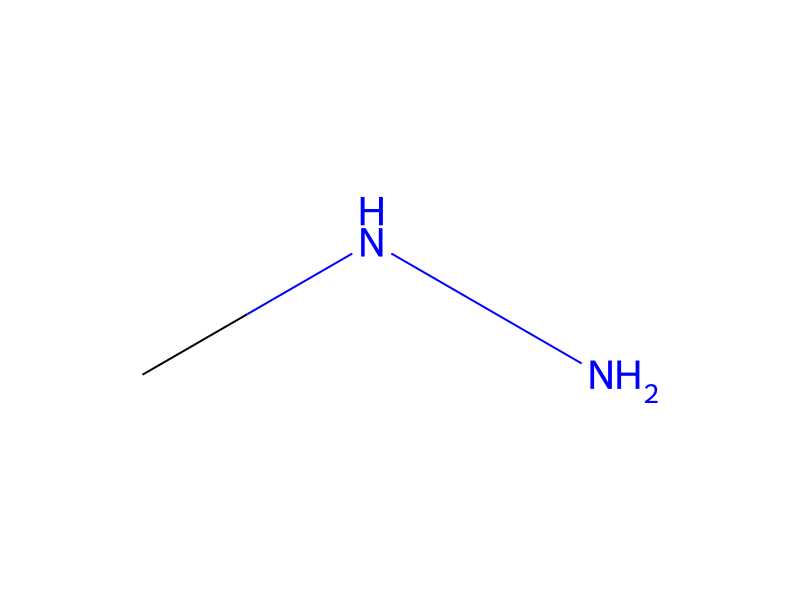

Product 1

Reagents, catalysts & solvents 1

Procedure
Following procedures similar to those employed in Step A of Example 2, the reaction of 2.2 g (0.0080 mole) of 3,5-dichloro-4-diethylaminophenyl isothiocyanate with 0.37 g (0.0080 mole) of methylhydrazine in 75 ml of ethanol produced a quantitative yield of 4-(3,5-dichloro-4-diethylaminophenyl)-2-methyl-3-thiosemicarbazide. The nmr spectrum was consistent with the proposed structure.
Sources & evidence
- ORD record
- ord-c2a0cb9a3b114f87a1d100e753e0824f
- Source dataset
- uspto-grants-1992_04
- Patent number
- US05108486
Reaction notes
Loading…