Dimethyl Carbonate → methyl 4-oxo-5,6,7,8-tetrahydro-4H-cyclohepta[b]thiophene-5-carboxylate
Reaction equation

[S:1]1[CH:5]=[CH:4][C:3]2[C:6](=[O:11])[CH2:7][CH2:8][CH2:9][CH2:10][C:2]1=2.[H-].[Na+].[CH3:14][O:15][C:16](=O)[O:17]C>CO>[O:11]=[C:6]1[C:3]2[CH:4]=[CH:5][S:1][C:2]=2[CH2:10][CH2:9][CH2:8][CH:7]1[C:16]([O:15][CH3:14])=[O:17]Participants
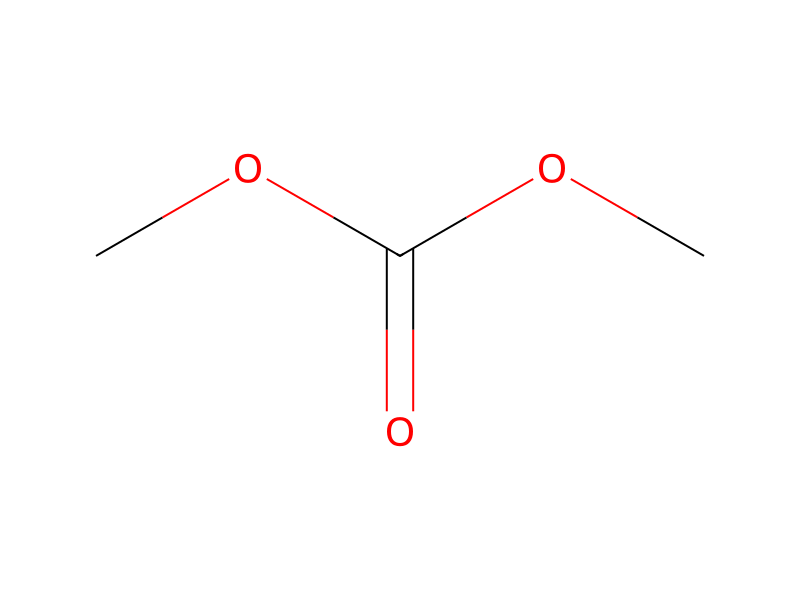




Procedure
To a solution of 5,6,7,8-tetrahydro-cyclohepta[b]thiophen-4-one (0.84 g, 5 mmol), prepared by the method of M. P. Cagniant (Bull. Soc. Chim. France, 1956, 1152-1163), in dimethylcarbonate (6 mL) was added a 60% dispersion of sodium hydride in oil (0.4 g, 10 mmol) and a few drops of dry methanol. The reaction mixture was heated at reflux for 4 hours, then cooled, quenched with 2 N hydrochloric acid solution, and the desired product was extracted with ethyl acetate. The combined organic layers were dried over magnesium sulfate, concentrated and chromatographed on silica gel, eluting with 20% ethyl acetate:hexane to provide the title compound: 1H NMR (300 MHz, DMSO-d6) δ 7.34 (d, J=5.42 Hz, 1H,), 7.28 (d, J=5.42 Hz, 1H), 4.04 (dd, J=10.8, 3.39 Hz, 1H), 3.66 (s, 3H), 3.80 (m, 4H), 3.14 (m, 2H); MS (DCI/NH3) m/z 225 (M+H)+, 242 (M+NH4)+.
Workup
- temperatureThe reaction mixture was heated
- temperatureat reflux for 4 hours
- temperaturecooled
- customquenched with 2 N hydrochloric acid solution
- extractionthe desired product was extracted with ethyl acetate
- dry with materialThe combined organic layers were dried over magnesium sulfate
- concentrationconcentrated
- customchromatographed on silica gel
- washeluting with 20% ethyl acetate
Sources & evidence
- ORD record
- ord-ed919b299e26429b925235543bef944c
- Source dataset
- uspto-grants-2013_10
- Patent number
- US08546410B2
Reaction notes
Loading…