Triethylamine → 4-Bromo-N-methoxy-N-methylpicolinamide
Reaction equation

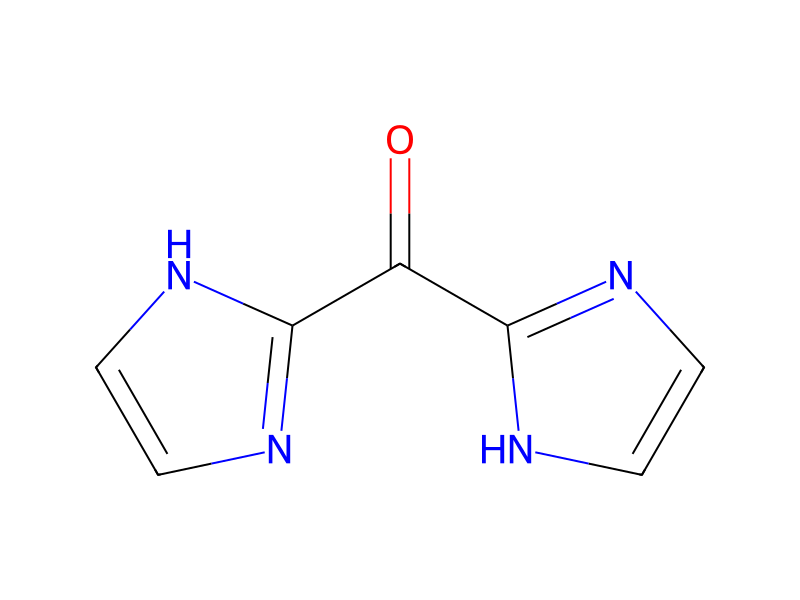
[Br:1][C:2]1[CH:7]=[CH:6][N:5]=[C:4]([C:8]([OH:10])=O)[CH:3]=1.C([N:13]([CH2:16]C)CC)C.[C:18](C1NC=CN=1)(C1NC=CN=1)=[O:19]>C1COCC1>[CH3:18][O:19][N:13]([CH3:16])[C:8]([C:4]1[CH:3]=[C:2]([Br:1])[CH:7]=[CH:6][N:5]=1)=[O:10]Participants
Reactant 3


Product 1

Reagents, catalysts & solvents 1

Procedure
To a solution of commercially-available 4-bromopicolinic acid (10.0 g, 49.5 mmole) in 200 mL of anhydrous THF at room temperature is added N,O-hydroxylamine hydrochloride (4.83 g, 49.5 mmol), triethylamine (6.9 mL, 49.5 mmol), carbonyl diimidazole (CDl) (12.0 g, 74.3 mmol) and N,N-dimethyl amino pyridine (DMAP) (20 mg, 0.16 mmol). After stirring at room temperature for 4 hours, an aliquot is taken and injected on LC-MS to check the reaction progress. Upon completion of the reaction, the reaction mixture is quenched with 100 mL of water and extracted with 2×150 mL of ethyl acetate. The combined organic layers are concentrated and purified by chromatography (hexanes 95%, EtOAc 5% step gradient) to give 4-bromo-pyridine-2-carboxylic acid methoxy-methyl-amide (1) as a thick yellow oil (10.4 g, yield 86%) MS ES+247.02.
Workup
- customUpon completion of the reaction
- customthe reaction mixture is quenched with 100 mL of water
- extractionextracted with 2×150 mL of ethyl acetate
- concentrationThe combined organic layers are concentrated
- custompurified by chromatography (hexanes 95%, EtOAc 5% step gradient)
Sources & evidence
- ORD record
- ord-986b75ea6f2e453389233e3e68f03f3f
- Source dataset
- uspto-grants-2013_10
- Patent number
- US08552003B2
Reaction notes
Loading…