Phosphorus trichloride → HCID 10217983, compound
Reaction equation

[CH2:1]([O:3][C:4]([C:6]1[C:7]([CH3:38])=[C:8]2[C:13](=[CH:14][C:15]=1[CH3:16])[N:12]=[C:11]([CH2:17][O:18][CH2:19]C1C=CC=CC=1)[N:10]([C:26]1[CH:31]=[CH:30][CH:29]=[CH:28][C:27]=1[S:32](=[O:36])(=[O:35])[NH:33][CH3:34])[C:9]2=[O:37])=[O:5])[CH3:2].C(OC(=O)C1C(C)=C[C:49]([NH:53]C(=O)COCC2C=CC=CC=2)=[C:45](C(O)=O)C=1C)C.NC1C=CC=CC=1S(NC)(=O)=[O:75].P(Cl)(Cl)Cl.C([O-])(O)=O.[Na+]>C(OCC)C.C(OCC)(=O)C.C1(C)C=CC=CC=1>[CH2:1]([O:3][C:4]([C:6]1[C:7]([CH3:38])=[C:8]2[C:13](=[CH:14][C:15]=1[CH3:16])[N:12]=[C:11]([CH2:17][O:18][C:19](=[O:75])[NH:53][CH2:49][CH3:45])[N:10]([C:26]1[CH:31]=[CH:30][CH:29]=[CH:28][C:27]=1[S:32](=[O:36])(=[O:35])[NH:33][CH3:34])[C:9]2=[O:37])=[O:5])[CH3:2]Participants
Reactant 5
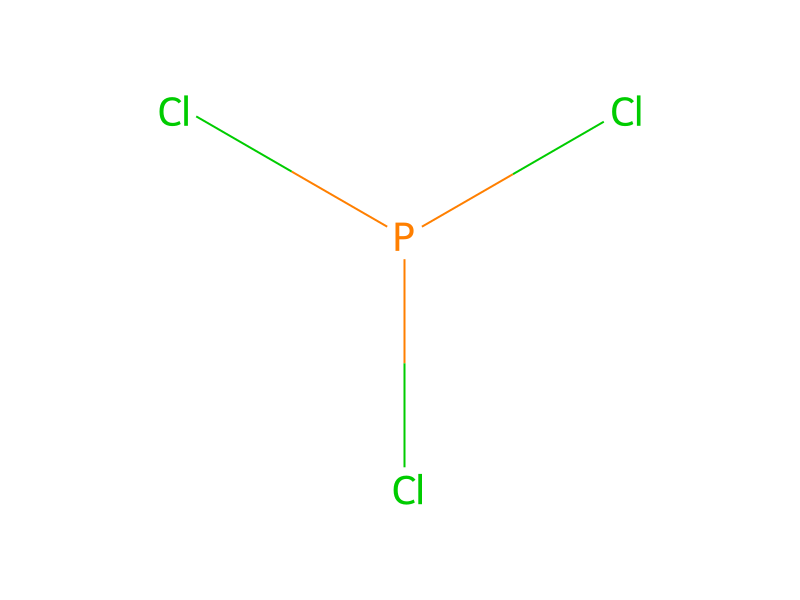



Product 1

Reagents, catalysts & solvents 3



Procedure
Preparation of 2-Benzyloxymethyl-5,7-dimethyl-3-(2-methylsulfamoyl-phenyl)-4-oxo-3,4-dihydro-quinazoline-6-carboxylic acid ethyl ester: To a mechanically-stirred suspension of 4-(Benzyloxyacetyl)amino-2,6-dimethyl-isophthalic acid 1-ethyl ester (27 g, 0.07 mol), 2-amino-N-methyl-benzenesulfonamide (13 g, 0.07 mol) and anhydrous toluene (500 mL) in a three-necked round bottom flask is added phosphorus trichloride (51 mL, 0.56 mol) via an addition funnel. The reaction mixture is stirred at room temperature for 5 minutes and then heated to reflux. After 45 minutes LCMS analysis indicates that the reaction is complete. The suspension is cooled to room temperature and the solution phase is decanted from the solid material. The solution and solid material are worked-up separately. The toluene solution is portioned between ethyl acetate and saturated aqueous NaHCO3 solution with vigorous stirring to give a clear biphasic solution. The organic and aqueous phases are separated and the aqueous phase is extracted (×2) with ethyl acetate. The organic phases are combined, dried over anhydrous Na2SO4, and evaporated in vacuo to give an orange oil. Similarly, the solid material is stirred vigorously with ethyl acetate and saturated aqueous NaHCO3 solution to give a clear biphasic solution. The organic and aqueous phases are separated and the aqueous phase is extracted (×2) with ethyl acetate. The organic phases are combined, dried over anhydrous Na2SO4, and evaporated in vacuo to give an orange oil. Trituration of the orange oils with diethyl ether provides yellow solids, which are removed by filtration, washed with diethyl ether and air-dried to provide the title compound (20 g, 0.037 mol, 53%).
Workup
- temperatureheated to reflux
- waitAfter 45 minutes LCMS analysis indicates that the reaction
- temperatureThe suspension is cooled to room temperature
- customthe solution phase is decanted from the solid material
- stirringwith vigorous stirring
- customto give a clear biphasic solution
- customThe organic and aqueous phases are separated
- extractionthe aqueous phase is extracted (×2) with ethyl acetate
- dry with materialdried over anhydrous Na2SO4
- customevaporated in vacuo
- customto give an orange oil
- customto give a clear biphasic solution
- customThe organic and aqueous phases are separated
- extractionthe aqueous phase is extracted (×2) with ethyl acetate
- dry with materialdried over anhydrous Na2SO4
- customevaporated in vacuo
- customto give an orange oil
- customare removed by filtration
- washwashed with diethyl ether
- customair-dried
Sources & evidence
- ORD record
- ord-3c861872610147f79af64e66ecc1f925
- Source dataset
- uspto-grants-2013_10
- Patent number
- US08552015B2
Reaction notes
Loading…