Water → 5-Bromo-2-(4-methyl-1-piperazinyl)-3,4-pyridinediamine
Reaction equation

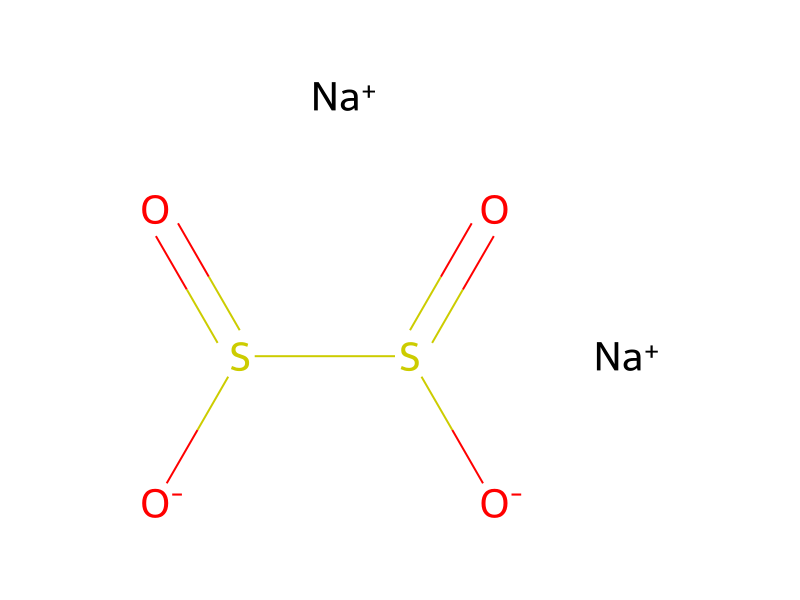
[Br:1][C:2]1[C:3]([NH2:18])=[C:4]([N+:15]([O-])=O)[C:5]([N:8]2[CH2:13][CH2:12][N:11]([CH3:14])[CH2:10][CH2:9]2)=[N:6][CH:7]=1.[O-]S(S([O-])=O)=O.[Na+].[Na+].O>C(O)C>[Br:1][C:2]1[C:3]([NH2:18])=[C:4]([NH2:15])[C:5]([N:8]2[CH2:9][CH2:10][N:11]([CH3:14])[CH2:12][CH2:13]2)=[N:6][CH:7]=1Participants
5
Reactant 3


Product 1

Reagents, catalysts & solvents 1

Procedure
A 250 mL round bottom flask was charged with 5-bromo-2-(4-methylpiperazin-1-yl)-3-nitropyridin-4-amine (1.5 g, 4.7 mmol), Na2S2O4 (2.0 g, 11 mmol), water (10 mL) and ethanol (20 mL). The mixture was heated at reflux for 0.5 h. Work-up: the solvent was evaporated. The residue was re-suspended in triethylamine (15 mL) and ethyl acetate (300 mL), and then filtered. The filtrate was concentrated in vacuo, to afford 1.1 g (80%) of the product as a pale-red solid. MS m/z: 286 (M+H+).
Workup
- temperatureThe mixture was heated
- temperatureat reflux for 0.5 h
- customthe solvent was evaporated
- filtrationethyl acetate (300 mL), and then filtered
- concentrationThe filtrate was concentrated in vacuo
Sources & evidence
- ORD record
- ord-76cf6eb2822647e9a3e4809ca7aa854f
- Source dataset
- uspto-grants-2013_10
- Patent number
- US08569300B2
Reaction notes
Loading…