Palmitoyl chloride → HCID 21199999, compound
Reaction equation

[NH2:1][C:2]1[C:6]([NH2:7])=[CH:5][S:4][CH:3]=1.[C:8](Cl)(=[O:24])[CH2:9][CH2:10][CH2:11][CH2:12][CH2:13][CH2:14][CH2:15][CH2:16][CH2:17][CH2:18][CH2:19][CH2:20][CH2:21][CH2:22][CH3:23]>C1(C)C=CC=CC=1.CCCCCC>[C:8]([NH:1][C:2]1[C:6]([NH:7][C:8](=[O:24])[CH2:9][CH2:10][CH2:11][CH2:12][CH2:13][CH2:14][CH2:15][CH2:16][CH2:17][CH2:18][CH2:19][CH2:20][CH2:21][CH2:22][CH3:23])=[CH:5][S:4][CH:3]=1)(=[O:24])[CH2:9][CH2:10][CH2:11][CH2:12][CH2:13][CH2:14][CH2:15][CH2:16][CH2:17][CH2:18][CH2:19][CH2:20][CH2:21][CH2:22][CH3:23]Participants
4
Reactant 2
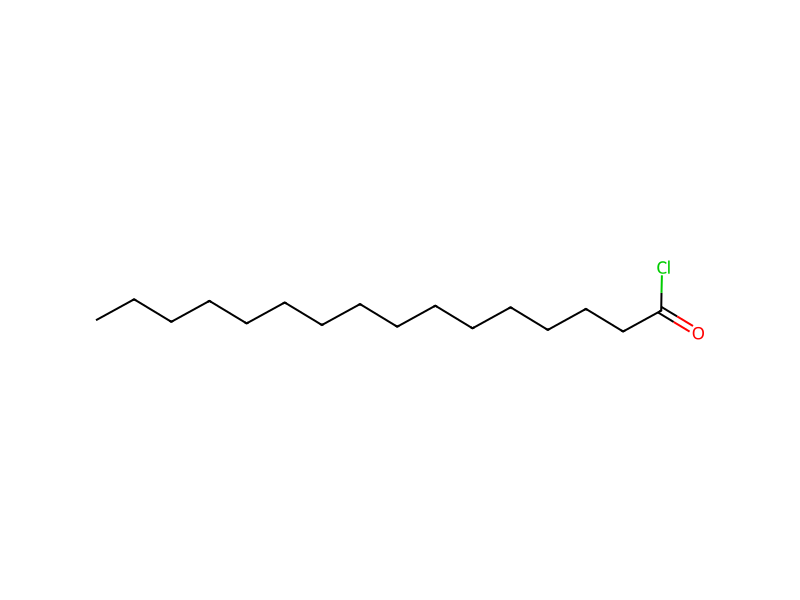

Product 1

Reagents, catalysts & solvents 1

Procedure
This compound was prepared in a yield of 70% of theory starting from 3,4-diaminothiophene and palmitoyl chloride (boiling point 141° C. at 1.4 mbar) in a similar manner to above. The melting point was 107-109° C. (from toluene-hexane).
Workup
- customThis compound was prepared in a yield of 70% of theory
Sources & evidence
- ORD record
- ord-4b389981099f4a848b511269e064182e
- Source dataset
- uspto-grants-2001_06
- Patent number
- US06242561B1
Reaction notes
Loading…