Sodium hydride → 4-Methyl-3-phenylpentanoic acid
Reaction equation

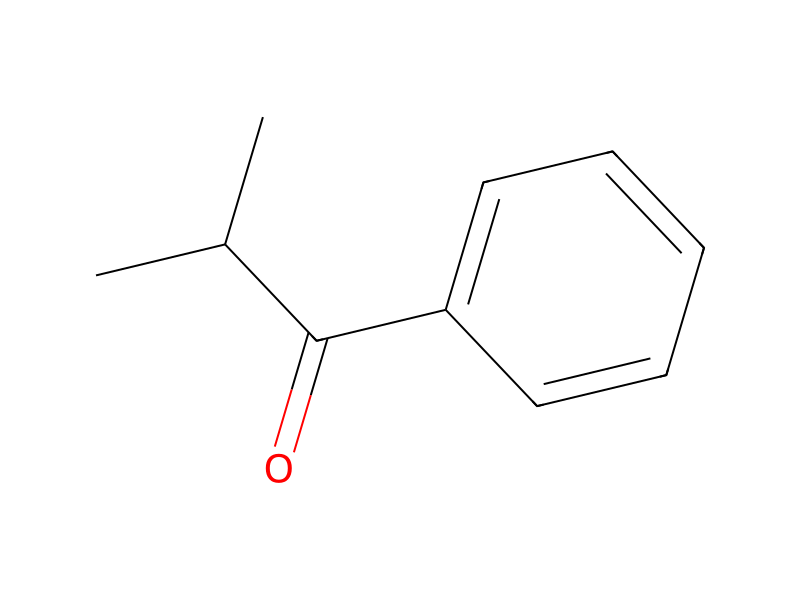
[H-].[Na+].C([O:7][C:8](=[O:18])[CH2:9]P(OCC)(OCC)=O)(C)(C)C.[C:19]([C:24]1[CH:29]=[CH:28][CH:27]=[CH:26][CH:25]=1)(=O)[CH:20]([CH3:22])[CH3:21]>O1CCCC1>[CH3:21][CH:20]([CH3:22])[CH:19]([C:24]1[CH:29]=[CH:28][CH:27]=[CH:26][CH:25]=1)[CH2:9][C:8]([OH:7])=[O:18]Participants
Reactant 3


Product 1

Reagents, catalysts & solvents 1

Procedure
Under a nitrogen atmosphere, sodium hydride (60%, 1.2 g) was added at 0° C. to a tetrahydrofuran solution (30 mL) of tert-butyldiethylphosphonoacetate (4.9 g). After 10 minutes, the temperature of the mixture was naturally returned to room temperature, and the mixture was stirred. After 1 hour, a tetrahydrofuran solution (10 mL) of isobutyrophenone (4.0 g) was added. After stirring for 13 hours, the organic layer was separated by adding water and ethyl acetate thereto. The resulting organic layer was washed with water and brine, and dried over anhydrous magnesium sulfate. After filtering off the drying agent, the mixture was evaporated. 5.48 g among the resulting crude product (6.1 g) was dissolved in methanol (30 mL), a catalytic amount of 10% palladium carbon (250 mg) was added, and the mixture was reacted under pressuring by hydrogen (3.9 kg/cm2). After 1.3 hours, the catalyst was filtered off, and then the filtrate was concentrated. The resulting residue was purified by silica gel column chromatography (hexane:ethyl acetate system). The resulting product (3.0 g) was dissolved in acetone (50 mL) and 5N hydrochloric acid (20 mL), and the mixture was stirred for 3 hours under reflux conditions. The solution was evaporated, to give the title compound as a reddish yellow oil (1.96 g, 58%: 3 steps).
Workup
- customwas naturally returned to room temperature
- waitAfter 1 hour
- stirringAfter stirring for 13 hours
- customthe organic layer was separated
- additionby adding water and ethyl acetate
- washThe resulting organic layer was washed with water and brine
- dry with materialdried over anhydrous magnesium sulfate
- filtrationAfter filtering off the drying agent
- customthe mixture was evaporated
- dissolution5.48 g among the resulting crude product (6.1 g) was dissolved in methanol (30 mL)
- additiona catalytic amount of 10% palladium carbon (250 mg) was added
- customthe mixture was reacted under pressuring by hydrogen (3.9 kg/cm2)
- waitAfter 1.3 hours
- filtrationthe catalyst was filtered off
- concentrationthe filtrate was concentrated
- customThe resulting residue was purified by silica gel column chromatography (hexane:ethyl acetate system)
- dissolutionThe resulting product (3.0 g) was dissolved in acetone (50 mL)
- stirring5N hydrochloric acid (20 mL), and the mixture was stirred for 3 hours under reflux conditions
- customThe solution was evaporated
Sources & evidence
- ORD record
- ord-ca325ef4724146e09691dc401dd758e2
- Source dataset
- uspto-grants-2005_06
- Patent number
- US06906072B1
Reaction notes
Loading…