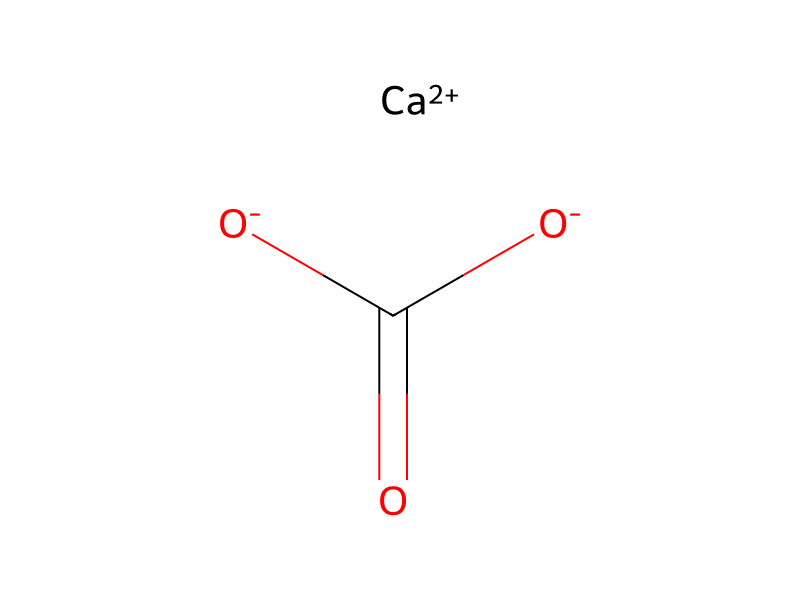
Calcium Carbonate → HCID 11737199, compound
Reaction equation

Br[C:2]1[CH:3]=[C:4]2[C:9](=[CH:10][CH:11]=1)[N:8]=[C:7]([C:12]1[CH:17]=[CH:16][CH:15]=[C:14]([F:18])[CH:13]=1)[CH:6]=[C:5]2[N:19]([CH3:21])[CH3:20].C(=O)([O-])[O-].[Ca+2]>C(O)C.[Pd]>[F:18][C:14]1[CH:13]=[C:12]([C:7]2[CH:6]=[C:5]([N:19]([CH3:21])[CH3:20])[C:4]3[C:9](=[CH:10][CH:11]=[CH:2][CH:3]=3)[N:8]=2)[CH:17]=[CH:16][CH:15]=1Participants
Reactant 2

Product 1

Reagents, catalysts & solvents 2


Procedure
N-[6-bromo-2-(3-fluorophenyl)-4-quinolinyl]-N,N-dimethylamine (2.5 g, 7.55 mmoles) and 300 mg of a catalyst consisting of 5% palladium on a calcium carbonate support in 200 mL of ethanol was placed under a hydrogen atmosphere at 50 psi and shaken for 48 hrs. At the end of this time the atmosphere was replaced by nitrogen and the mixture concentrated. Solids containing insoluble quinoline hydrobromide salts were washed with ethyl acetate and 5% sodium hydroxide solution and residual solids removed by filtration. Filtrates were combined, the layers were separated, and the organic layer was recovered, dried over Na2SO4, filtered and concentrated. The extracted material was recrystallized from methylene chloride and hexane to provide 700 mg (37%) of the title compound.
Workup
- concentrationthe mixture concentrated
- additionSolids containing insoluble quinoline hydrobromide salts
- washwere washed with ethyl acetate and 5% sodium hydroxide solution and residual solids
- customremoved by filtration
- customthe layers were separated
- customthe organic layer was recovered
- dry with materialdried over Na2SO4
- filtrationfiltered
- concentrationconcentrated
- customThe extracted material was recrystallized from methylene chloride and hexane
Sources & evidence
- ORD record
- ord-143d01a245bb45828b810784f7cdaf0c
- Source dataset
- uspto-grants-2005_06
- Patent number
- US06906193B2
Reaction notes
Loading…